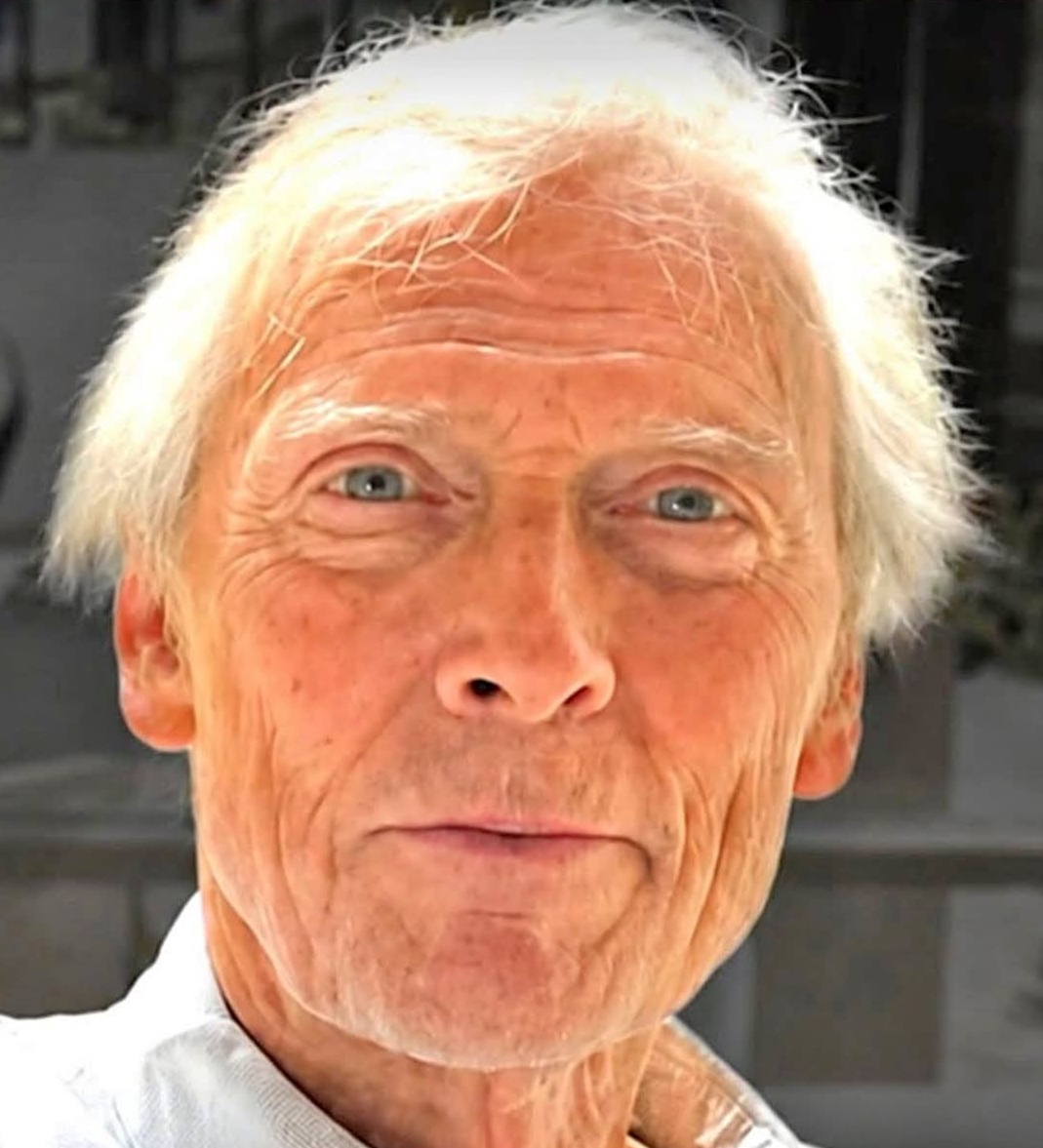
Clint Eastwood Rumors Spread Online as Social Media Users Urged to Verify Claims
Why Rumors About Famous Figures Spread So Quickly
Rumors involving well-known public figures can move across social media at remarkable speed. When the person involved is a familiar actor, musician, or entertainment icon, even an unverified claim can attract immediate attention from people who have followed that individual for years.
The emotional connection audiences have with famous personalities can make these stories particularly powerful. A headline suggesting that something serious has happened may encourage people to react, comment, or share before taking time to determine whether the information is accurate.
That pattern can create a difficult situation in which an unconfirmed statement reaches a large audience before reliable information has an opportunity to catch up. Once a post begins circulating widely, separating confirmed information from speculation can become increasingly difficult.
Clint Eastwood Remains a Recognized Entertainment Icon
Clint Eastwood is among the public figures whose long career has made him widely recognizable across multiple generations. His name is closely associated with major films and a decades-long presence in the entertainment industry.
Among his best-known movies are Dirty Harry and The Good, the Bad and the Ugly. These films have contributed to his enduring recognition, allowing audiences from different generations to remain familiar with his work.
Because figures with such lengthy careers can have a strong emotional significance for their audiences, claims involving their personal circumstances can receive substantial attention. A rumor about an iconic entertainer may therefore trigger reactions even when the original information has not been established.
Emotional Posts Can Create Confusion
One reason misleading information can gain momentum is the way it is presented. Social media posts may use emotional wording, dramatic images, or tribute-style presentations that make an unverified claim appear more convincing than it actually is.
A person scrolling through a social media feed may encounter a post that looks like an announcement rather than an unconfirmed statement. The appearance and tone of the content can influence how quickly someone reacts to it, particularly when the subject is a figure they recognize and care about.
Tribute-style graphics can be especially confusing when they are shared without clear confirmation. A visual presentation may give the impression that an event has already been officially established, even when the post itself does not provide reliable verification.
Recycled Posts Can Resurface
Another factor that can contribute to confusion is the repeated circulation of older or recycled content. A post can be shared again long after it first appeared, sometimes without enough context to make its original timing or purpose clear.
When older material is presented alongside current-looking captions, users may interpret it as new information. The result can be another wave of reactions surrounding a claim that has not been properly confirmed in the present context.
Unofficial accounts can also contribute to the problem. Content posted by accounts that are not responsible for providing verified information may still appear credible to users who encounter it without additional context.
The Speed of Social Media Amplification
Social media is designed to make information easy to share. That convenience can be useful when accurate news needs to reach people quickly, but it can also allow incorrect claims to spread before their accuracy has been established.
Once one user shares an emotional or sensational post, other users may pass it along because they assume the original claim has already been checked. Each additional share can make the information appear more established, even though repetition does not make an unverified statement true.
This creates a cycle in which visibility can become mistaken for confirmation. A claim that appears repeatedly in different posts may seem credible simply because it is familiar, rather than because reliable evidence has confirmed it.
Why Verification Matters
Major claims involving public figures deserve careful attention before they are shared. Health-related rumors and reports about someone’s status can have significant emotional consequences, making accuracy particularly important.
Pausing before reposting gives users an opportunity to consider whether the information comes from a reliable source or whether it is simply being repeated across social media. That brief pause can help prevent an unverified claim from reaching an even larger audience.
Official statements and reputable journalism can provide a stronger basis for determining whether major information has been confirmed. Verified updates are generally more useful than relying solely on emotional posts, anonymous accounts, or graphics circulating through social media.
Recognizing Misleading Presentation
Users can also pay attention to how information is presented. Dramatic language, emotional captions, and tribute-style graphics may encourage an immediate reaction, but the presentation itself does not establish whether the underlying claim is accurate.
A post that encourages users to react quickly can make careful verification more difficult. Instead of treating the emotional tone of a message as evidence, readers can separate the presentation from the actual information being claimed.
This distinction becomes especially important when the subject is a highly recognizable figure. Familiarity with a person’s career can make a rumor feel believable because the name itself carries significant emotional weight.
Public Figures and the Challenge of Online Misinformation
Rumors surrounding prominent entertainers demonstrate a broader challenge of the digital information environment. Public figures can become the subjects of rapidly spreading claims simply because their names are widely recognized and their audiences are large.
The same dynamics can appear whenever a story involves an actor, musician, or other long-established entertainment personality. Emotional reactions can encourage people to share information before determining whether it has been confirmed.
Once an unverified claim has been distributed widely, later clarification may not reach everyone who encountered the original post. Some users may continue sharing the earlier version even after more reliable information becomes available.
A Moment of Caution Can Slow the Spread
Checking information before sharing does not require abandoning social media or ignoring important developments. It simply means allowing enough time to determine whether a major claim has been properly established.
For stories involving recognizable public figures, that step can be particularly valuable. A claim that initially appears convincing may look very different after users examine where it originated and whether reliable confirmation exists.
Taking a moment to verify information can also prevent unnecessary confusion among friends, family members, and other social media users. The fewer times an unsupported claim is passed along, the less opportunity it has to gain additional momentum.
Accuracy Should Come Before Speed
The rapid spread of online information makes speed an important part of modern communication, but speed alone does not guarantee accuracy. When major claims circulate about public figures, careful verification remains essential.
Clint Eastwood’s long-standing place in popular entertainment illustrates why rumors involving iconic personalities can attract such strong reactions. His work has reached audiences across generations, making his name immediately recognizable to many people.
That recognition can also make misleading posts more powerful. Emotional headlines, recycled material, unofficial accounts, and dramatic presentations can all contribute to an environment in which users react before confirming what they have seen.
For that reason, readers should approach major social media claims with caution and look for reliable confirmation before treating them as established information. In an environment where misinformation can travel rapidly, accuracy remains just as important as speed.
When a Rumor Becomes Bigger Than the Truth
The most difficult stage of an online rumor often begins after thousands of people have already seen it.
By that point, the original claim may no longer exist in only one post.
Screenshots may have been copied.
Videos may have been created around it.
Other accounts may have rewritten the same claim in slightly different words.
Comment sections may be filled with people asking whether the news is true, while others respond as though confirmation has already happened.
Eventually, the rumor can begin to look like a collection of independent reports.
But appearances can be misleading.
Ten posts repeating information from the same unverified source are not the same as ten independent sources confirming an event.
This distinction is easy to miss when information moves quickly.
Someone may see the same claim on Facebook, X, TikTok, YouTube, or another platform and reasonably wonder, “If everyone is talking about it, surely somebody confirmed it.”
Yet all of those posts may ultimately trace back to one unsupported statement.
That is how repetition can create the illusion of certainty.
Why Corrections Often Struggle to Catch Up
There is another problem.
A dramatic rumor may attract enormous attention within minutes, while the eventual correction receives only a fraction of that interest.
The reason is understandable.
Breaking claims naturally create curiosity.
A person sees the name of a beloved actor alongside an alarming headline and immediately wants to know what happened.
People begin commenting.
Friends tag one another.
Screenshots travel into private groups.
Other pages repost the information.
By the time someone establishes that the original claim lacked reliable confirmation, the story may have traveled far beyond its starting point.
The correction then faces a much harder task.
It must reach not only the people who saw the original post, but also everyone who encountered one of its copies.
That rarely happens perfectly.
Some people will see the clarification.
Others may never encounter it.
And some may remember the original dramatic headline more clearly than the later explanation.
This is one reason misinformation can continue circulating long after questions have been raised about its accuracy.
The First Question Readers Should Ask
When a major celebrity story suddenly appears online, one simple question can dramatically improve the way we evaluate it:
Where did this information originally come from?
Not who reposted it.
Not how many comments it received.
Not how professional the graphic looks.
The important question is the origin of the claim.
If a post says “reports confirm” something significant, readers can look for those reports.
If it says a family representative issued a statement, readers can look for that statement or reliable reporting that identifies the representative.
If it claims major news organizations are reporting the story, readers can check whether those organizations actually published it.
The absence of those details does not automatically prove that a claim is false.
But it is a strong reason to avoid treating the information as established until better evidence becomes available.
A Famous Name Is Not Evidence
Celebrity rumors also reveal something interesting about the way people process information.
Recognition can sometimes feel like credibility.
When readers see a familiar name such as Clint Eastwood, the subject already feels real and important.
They know the face.
They remember the movies.
Perhaps they watched those films with their parents or grandparents.
That familiarity can create an emotional response before the reader has evaluated the evidence behind the headline.
But knowing the person being discussed is very different from knowing whether the claim about that person is accurate.
The fame of the subject does not strengthen the evidence.
Only reliable confirmation can do that.
Watch for Missing Details
Misleading posts frequently contain another warning sign: vagueness.
They may use phrases such as:
“Sad news confirmed.”
“We lost another legend.”
“Fans are saying goodbye.”
“Hollywood is mourning.”
“Breaking news about the beloved actor.”
These statements sound significant, but they may provide remarkably little verifiable information.
Who confirmed the news?
When?
Where was the statement published?
Which reliable organization independently verified it?
What is the original source?
A legitimate report about a major development should generally allow readers to understand where the information came from.
A vague emotional caption accompanied by a photograph is not equivalent to documented reporting.
Be Careful With Screenshots
Screenshots deserve particular caution.
A screenshot can look authoritative because it appears to show a headline from a recognizable organization.
But images can be edited.
Old headlines can be removed from their original context.
Satirical material can be presented as genuine reporting.
And sometimes a screenshot is real while the interpretation attached to it is misleading.
Whenever possible, readers should look for the original article rather than relying entirely on an image of it.
If the supposed report cannot be found on the organization’s actual website or verified channels, that missing source should encourage additional caution.
Dates Matter More Than People Realize
Another useful habit is surprisingly simple:
Check the date.
Old celebrity stories frequently return to social media.
An interview from years earlier can suddenly be presented as though it happened yesterday.
An old hospitalization report may circulate without its original date.
A tribute written for a birthday or anniversary may be mistaken for a memorial announcement.
Even genuine news can become misinformation when it is removed from its original timeframe.
Before sharing an alarming post, readers can therefore ask two questions:
When was this published?
And is the information actually describing something happening now?
Those few seconds can prevent an old story from becoming a new rumor.
Search Beyond the Viral Post
If a claim concerns a major public figure and appears important enough to share, it is important enough to check independently.
Instead of relying on the original post, readers can search the person’s name and examine what established news organizations are reporting.
One article alone may not settle every question, particularly during a developing story.
But comparing multiple credible sources can provide a much clearer picture than relying on a viral caption.
Readers should also distinguish between outlets independently reporting information and websites simply repeating what another account posted.
Independent confirmation matters.
Repetition does not.
The Human Cost Is Easy to Forget
Celebrity misinformation is often discussed as though it were merely an internet problem.
There is also a human dimension.
Behind every famous name is a real person with relatives, friends, colleagues, and people who know them personally.
Imagine opening your phone and discovering thousands of strangers discussing the supposed death of someone close to you.
Imagine friends calling because they saw a post online.
Imagine family members being forced to respond to something that should never have been presented as fact in the first place.
Fame does not eliminate the personal consequences of misinformation.
A false report can cause distress even when it is corrected quickly.
For fans, the emotional effect can also be genuine.
People often associate entertainers with important periods of their own lives.
A movie can remind someone of childhood.
A song can bring back memories of a parent.
An actor can represent decades of familiar entertainment.
That connection explains why celebrity news generates such powerful reactions.
It is also why accuracy matters.
Before You Share, Try a Simple Test
Readers do not need professional investigative skills to reduce the spread of questionable information.
Before sharing a major claim, consider four things:
- Source: Who originally reported it?
- Date: Is the information actually current?
- Confirmation: Are credible independent sources reporting the same thing?
- Evidence: Does the post provide verifiable information, or mainly emotional language and imagery?
If those questions cannot be answered, waiting is often wiser than sharing.
There is no penalty for being a few minutes late to repost a story.
There can be consequences, however, when inaccurate information is amplified to hundreds or thousands of additional people.
The Comment Section Is Not Confirmation
Another common mistake is using the reaction beneath a post as evidence.
Hundreds of comments saying “RIP” do not establish that someone has died.
Thousands of shocked reactions do not verify a claim.
A comment section reflects what people believe after seeing the post.
It does not necessarily reveal whether the post itself is accurate.
In fact, early comments can amplify confusion.
One person assumes the information is true.
Another sees that reaction and makes the same assumption.
Soon, a large number of people appear to agree about something none of them independently verified.
The size of the reaction then becomes part of what makes the original post look convincing.
This is another version of the same cycle:
A rumor produces reactions.
The reactions make the rumor look credible.
That apparent credibility produces more reactions.
Breaking that cycle requires someone to stop and ask for the evidence.
Being Skeptical Does Not Mean Being Cynical
Healthy skepticism online does not require assuming that everything is false.
It means recognizing the difference between possibility and confirmation.
A developing story may eventually turn out to be accurate.
It may also turn out to be mistaken, exaggerated, outdated, or completely fabricated.
Before reliable information emerges, readers do not need to choose between immediately believing the claim and immediately dismissing it.
There is a third option:
Wait.
That may be one of the most valuable habits in the modern information environment.
“I don’t know yet” is sometimes the most accurate answer available.
What Responsible Sharing Looks Like
Responsible social media use is not about never discussing breaking news.
It is about understanding the difference between sharing confirmed information and helping an unsupported claim spread.
When reliable confirmation exists, readers can share reporting that clearly identifies its sources.
When confirmation does not exist, they can avoid presenting speculation as fact.
If they previously shared something that later proves inaccurate, correcting it can also help.
Deleting or updating an inaccurate post may prevent additional people from encountering the original claim without context.
The goal is not perfection.
The goal is to avoid turning uncertainty into certainty simply because a story is emotionally powerful.
Famous People Will Continue to Attract Rumors
As long as celebrities remain part of public culture, rumors about them are unlikely to disappear.
The names will change.
The platforms will change.
The presentation will change.
But the underlying pattern may remain familiar.
A dramatic claim appears.
People react.
The claim spreads.
Copies appear.
The number of posts creates an impression of credibility.
Only afterward do many people begin asking where the information originated.
Changing that sequence could make a significant difference.
Instead of:
See → React → Share → Verify
A healthier pattern is:
See → Pause → Verify → Decide whether to share.
It is a small change in behavior, but multiplied across millions of users, it can have a meaningful effect.
The Bigger Lesson Behind Celebrity Death Rumors
Stories involving celebrities such as Clint Eastwood attract attention because famous names carry memories with them.
People do not simply see an actor’s name.
They remember characters.
Movies.
Family evenings.
Old theaters.
Parents who introduced them to classic films.
Decades of popular culture.
That emotional connection is real.
But precisely because the reaction can be so strong, the information deserves greater care rather than less.
A tribute should follow confirmation, not replace it.
A viral post should not become evidence merely because thousands of people have shared it.
And uncertainty should never be disguised as certainty simply to attract attention.
The internet gives almost everyone the ability to distribute information instantly.
With that ability comes a simple responsibility:
Before helping a major claim travel farther, make sure there is a good reason to believe it.
Because online, one click can carry a rumor to another person.
One share can carry it to hundreds.
And thousands of individual clicks can transform an unsupported sentence into something that appears, for a time, indistinguishable from the truth.
The best defense is not complicated.
Slow down.
Check the source.
Check the date.
Look for independent confirmation.
And remember that behind every famous name being discussed online is a real human being.
In a digital world that rewards being first, sometimes the most responsible thing a person can do is wait long enough to be right.
When One Unverified Post Becomes Thousands
The strange thing about an internet rumor is that its origin can eventually become almost impossible to see.
At the beginning, there may be only one post.
Perhaps it comes from an account with no obvious connection to the celebrity.
Perhaps the wording is vague.
Perhaps there is no statement from a representative, family member, or reliable news organization.
At that stage, the claim may appear relatively insignificant.
Then someone shares it.
Another account rewrites it.
A video creator turns the claim into a short clip.
Someone takes a screenshot of that video and posts it elsewhere.
A Facebook page creates a dramatic graphic.
Another website publishes an article discussing the “reports circulating online.”
Within hours, the original unsupported statement has been transformed into an entire ecosystem of content.
And something important has happened along the way.
The rumor no longer looks like a rumor.
It looks like news.
The Source Can Disappear Behind the Repetition
Imagine that one account publishes an unsupported celebrity death claim.
A second account sees it and posts:
“Reports are coming in…”
A third writes:
“Fans are mourning after heartbreaking news…”
A fourth produces a video titled:
“Hollywood Legend — What We Know So Far.”
None of those accounts necessarily possesses new information.
They may all be responding to the same original claim.
But someone encountering the fourth or fifth version has no easy way of knowing that.
To that reader, it may appear that several different sources are independently reporting the same development.
This is one of the most important distinctions to understand when evaluating breaking information online.
Multiple posts are not necessarily multiple sources.
Sometimes they are simply multiple echoes.
The Telephone Game Has Become Global
Long before social media existed, people understood how stories could change as they passed from person to person.
Someone tells a story.
The next person remembers most of it but changes one detail.
Another person adds something.
Someone else misunderstands part of it.
Eventually, the final version can be dramatically different from the original.
Social media has created an enormous digital version of that process.
Except now it can happen among millions of people.
And it can happen extraordinarily quickly.
A cautious statement such as:
“Unconfirmed reports are circulating…”
may become:
“Reports indicate…”
Then:
“Sources say…”
And eventually:
“Confirmed.”
One word disappearing from a sentence can completely change its meaning.
“Unconfirmed” and “confirmed” are nearly identical visually.
Their meanings are opposites.
Why People Share Before Reading
There is another uncomfortable reality behind viral misinformation.
People sometimes share articles they have not actually read.
They see a headline.
They recognize the person.
They react emotionally.
Then they press Share.
The headline therefore carries enormous power.
If it is misleading, exaggerated, or deliberately ambiguous, many users may distribute an impression that the article itself does not fully support.
Someone might share a post saying:
“I can’t believe this. Rest in peace.”
Their friends then see that comment before reading anything else.
Suddenly the friend’s reaction becomes another form of apparent confirmation.
One assumption produces another.
Images Can Make a Claim Feel Real
Visual presentation can make this effect even stronger.
Consider the familiar format of an online memorial image.
A black-and-white photograph.
A birth year.
A second year.
Flowers.
Candles.
Perhaps the words “Rest in Peace.”
Nothing about those design elements proves anything.
Yet culturally, people immediately understand what they imply.
That means a misleading image can communicate a claim before someone reads a single sentence.
The emotional reaction happens first.
Verification comes later—if it comes at all.
Familiar Faces Create Powerful Reactions
This becomes especially significant with entertainers whose careers have lasted for decades.
Clint Eastwood is an example of a public figure whose work stretches across generations of American cinema.
Some viewers associate him with Westerns.
Others immediately think of Dirty Harry.
Some know his later work as a filmmaker.
Younger audiences may have discovered his movies through parents, grandparents, streaming services, or film history.
That means the same name can carry different memories for millions of people.
When alarming information appears beside such a familiar face, people are not responding only to a headline.
They may be responding to part of their own past.
Nostalgia Can Lower Our Guard
Nostalgia is powerful.
A person might remember sitting beside their father watching an old Western.
Another might remember going to the theater with a spouse.
Someone else may associate a particular actor with childhood weekends at a grandparent’s house.
When a rumor involves that actor, those memories can surface immediately.
The emotional reaction may therefore arrive before analytical thinking.
That does not mean people are careless.
It means they are human.
But understanding that vulnerability can help us recognize when an emotional response is pushing us toward an immediate share.
The Business of Attention
There is also another reason dramatic celebrity stories appear so frequently online.
Attention has value.
A shocking headline can generate clicks.
Clicks can generate traffic.
Traffic can generate advertising revenue, followers, subscriptions, or greater visibility for an account.
This creates an incentive for some publishers to make headlines as dramatic as possible.
A careful headline might say:
“Unverified Claim About Actor Circulates Online.”
A sensational version might suggest something far more definitive.
Which one is more likely to make someone stop scrolling?
That tension between accuracy and attention is one of the central problems of online publishing.
Responsible outlets attempt to verify major claims before presenting them as facts.
Less responsible accounts may prioritize engagement.
“Breaking” Does Not Always Mean Verified
The word “BREAKING” deserves special attention.
It creates urgency.
It tells readers that something important has just happened.
It suggests they are among the first people to learn about it.
But the word itself has no verification power.
Anyone can type it.
A graphic saying “BREAKING NEWS” is still only a graphic.
The questions remain the same:
Who is reporting this?
What evidence do they provide?
Has the information been independently confirmed?
Is there an identifiable original source?
Without answers to those questions, dramatic formatting should not substitute for evidence.
Artificial Intelligence Adds Another Complication
Modern digital tools have made misleading content easier to produce convincingly.
Images can be manipulated.
Voices can be imitated.
Video can be altered.
Entire articles can be generated quickly.
A fabricated screenshot can imitate the visual style of a legitimate publication closely enough to fool someone scrolling quickly.
This does not mean every unusual image or video should automatically be dismissed as artificial.
It means visual appearance alone is increasingly insufficient as proof.
The more convincing digital fabrication becomes, the more important source verification becomes.
The “My Friend Told Me” Problem Has Gone Digital
Before social media, questionable information often traveled through personal relationships.
“My neighbor heard…”
“My cousin knows someone…”
“A friend told me…”
Today the equivalent might be:
“I saw it everywhere online.”
But “everywhere” is not a source.
A person can encounter twenty posts that ultimately originated from one inaccurate account.
The number of times we encounter a statement can influence how familiar—and therefore believable—it feels.
Yet familiarity and truth are not the same thing.
What Happens During the First Few Minutes Matters
The earliest stage of a rumor may determine how far it eventually travels.
Suppose a questionable post receives only a few reactions.
It may disappear quickly.
But suppose several large accounts immediately repost it.
Thousands of users suddenly see it.
Some create their own posts.
Others send screenshots privately.
Search interest increases.
Content creators notice the trend and begin making additional material about it.
Now the rumor has momentum.
At that point, correcting it becomes much more difficult.
That is why individual decisions during those first minutes matter.
Every user becomes a small part of the distribution system.
Silence Can Sometimes Be Responsible
Social media encourages immediate participation.
When something significant happens, there is pressure to comment quickly.
People want to express sympathy.
They want to alert friends.
They want to participate in the conversation.
But there is nothing wrong with waiting.
When information remains uncertain, silence for twenty minutes, an hour, or even longer can be more responsible than immediately distributing something that may not be true.
You do not lose anything important by waiting for confirmation.
You may prevent yourself from becoming part of the misinformation chain.
What If Reliable News Outlets Have Not Reported It?
This is another useful question.
Suppose a post claims that an internationally recognized entertainment figure has died.
Yet searches of established news organizations show nothing.
That absence does not automatically prove the claim false.
Breaking information can take time to verify.
However, the absence of reliable reporting should encourage caution.
A major event involving a globally recognized public figure would ordinarily attract substantial journalistic attention once confirmed.
If dozens of anonymous accounts supposedly know something that reputable organizations cannot yet verify, readers have good reason to wait.
Beware of Articles That Only Report the Rumor
There is another subtle distinction.
Sometimes a legitimate website may publish an article because a rumor is trending.
The article may say:
“Claims are circulating online, but no reliable confirmation has been announced.”
Someone sees only the headline or screenshot and assumes the website confirmed the underlying claim.
It did not.
It confirmed that the rumor existed.
Those are two entirely different statements.
“People are saying X” does not mean “X happened.”
Readers should always determine which claim an article is actually making.
The Difference Between Reporting and Repeating
Good reporting attempts to establish facts.
Repeating simply tells audiences what someone else has said.
The internet often blurs the distinction.
A website can quote a social media account.
Another site can quote the first website.
A video can cite the second site.
A Facebook page can screenshot the video.
By the time the information reaches the final audience, the chain may appear impressive.
But tracing it backward may reveal that everything began with a single unsupported post.
This is why going backward through the information chain can be so valuable.
Instead of asking:
“How many people are saying this?”
Ask:
“Where did they get it?”
A Five-Minute Delay Can Change Everything
Imagine seeing a shocking celebrity headline.
Your first impulse might be to share it.
Instead, you wait five minutes.
You search the person’s name.
You check the publication date.
You look for reporting from several established outlets.
You examine whether the supposed announcement exists anywhere outside social media.
Perhaps you discover confirmation.
Then you can share accurate information.
But perhaps you discover something else.
The photograph is several years old.
The article being shared was originally published during a previous rumor.
The supposed “family statement” cannot be found.
The viral account has provided no source.
Suddenly, the post that looked convincing five minutes earlier looks very different.
Nothing about the claim changed during those five minutes.
Your understanding did.
The Internet Rarely Rewards Patience
This is where responsible behavior can feel difficult.
Social media often rewards speed.
The first accounts to post about a major event may receive enormous engagement.
The careful person who waits for verification may arrive after the conversation has already begun.
But information should not be a race in which accuracy is sacrificed for position.
Being first to share something false provides little value.
Being slightly later with accurate information provides much more.
The Most Important Question Comes Before the Share Button
Every major rumor eventually reaches a crossroads.
It appears on someone’s screen.
That person has a choice.
Share immediately.
Or investigate first.
Most misinformation does not become viral because one person created it.
It becomes viral because thousands of ordinary people independently decide to pass it forward.
That means ordinary users also possess enormous power to stop it.
Not through complicated technology.
Not through censorship.
Not through perfect knowledge.
Through one simple decision:
Do not turn uncertainty into certainty.
If the evidence is unclear, say that it is unclear.
If the source is unknown, acknowledge that the source is unknown.
And if reliable confirmation does not yet exist, waiting remains an entirely reasonable response.
Because every viral rumor depends on another person pressing Share.
And sometimes the most powerful click is the one we choose not to make.
When the Rumor Escapes Its Original Source
The most dangerous moment in the life of an online rumor may not be when it is first created.
It may be when nobody remembers where it came from.
At first, there is usually something identifiable.
A post.
A video.
A screenshot.
A questionable headline.
But after enough people copy and redistribute the claim, the original source becomes buried beneath thousands of reactions.
Then something unusual happens.
People stop asking where the story started.
Instead, they begin asking why everyone is talking about it.
And that subtle change can give an unsupported claim extraordinary power.
“Everyone Is Saying It” Becomes the Evidence
Imagine opening Facebook and seeing a post about a famous actor.
You continue scrolling.
Another page mentions the same person.
Ten minutes later, you encounter a video discussing the same claim.
Then someone in the comments writes:
“I’ve seen this everywhere today.”
That sentence can be surprisingly persuasive.
If the story is everywhere, people may assume there must be something behind it.
But widespread repetition does not reveal whether the original information was accurate.
Sometimes “everyone” is simply repeating everyone else.
Thousands of posts can still lead back to one unreliable source.
A Rumor Can Change While It Travels
Online rumors rarely remain perfectly intact.
Details can be added as the story moves from account to account.
One post might say that something “may have happened.”
The next says something “reportedly happened.”
Another removes the uncertainty completely.
Then someone adds a supposed location.
Another account adds a supposed time.
Eventually, the story contains details that were never present in the original claim.
Those details make the rumor feel more specific.
And specificity can make information appear credible.
A vague statement sounds uncertain.
A statement containing names, dates, locations, and supposed quotations sounds much more authoritative.
But details are useful only when they are supported by evidence.
Invented precision is still misinformation.
The Fake Confirmation Problem
One of the most effective ways to strengthen a rumor is to claim that somebody important has confirmed it.
“Family confirms.”
“Representative releases statement.”
“Hollywood responds.”
“Official announcement expected.”
These phrases can completely change the way readers interpret a story.
But the obvious question should always follow:
Where is the confirmation?
If a family representative actually issued a public statement, reliable reporting should identify it.
If an official account published an announcement, readers should be able to locate it.
If a reputable organization confirmed something, the original reporting should exist.
A claim of confirmation is not itself confirmation.
Famous Names Make Powerful Click Magnets
This helps explain why legendary entertainers are particularly attractive subjects for viral rumors.
Clint Eastwood’s name carries decades of cultural recognition.
A headline involving someone with that level of familiarity can immediately attract attention.
People who rarely read entertainment news may still recognize the name.
That creates a much larger potential audience than a story involving someone relatively unknown.
For pages competing for attention, recognizable names are valuable.
But popularity should make readers more careful, not less.
The greater the potential audience, the greater the potential reach of an inaccurate claim.
Sometimes the Headline Is Designed to Make You Assume
Not every misleading post contains a direct false statement.
Some rely on implication.
A headline might say:
“Fans Say Goodbye to Clint Eastwood.”
A reader could naturally interpret that as meaning something tragic has happened.
But perhaps the article is discussing reactions to an old movie.
Perhaps people are saying goodbye to a character.
Perhaps the headline refers to speculation rather than an established event.
Or perhaps the wording was deliberately chosen because the publisher knew readers would assume something more dramatic.
This is why reading beyond the headline matters.
Ask what the article actually establishes.
Not what the headline makes you feel.
Comments Can Accidentally Rewrite the Story
The comment section can become its own information system.
One person asks:
“Did he die?”
Another replies:
“Yes, I heard that too.”
A third writes:
“My friend sent me an article.”
Someone else adds:
“It was just on another page.”
Within minutes, people reading the comments may conclude that confirmation exists somewhere.
But nobody has actually provided it.
The rumor has effectively confirmed itself through conversation.
This is a powerful reminder that comments should not be treated as primary evidence.
They tell us what people believe.
They do not necessarily tell us what happened.
Then Come the Tribute Posts
Once enough people believe a death rumor, tribute content can begin appearing.
Old photographs are shared.
Famous movie scenes circulate.
People write about favorite performances.
Pages create memorial graphics.
Videos compile career highlights.
The emotional atmosphere changes quickly.
The question is no longer:
“Is this true?”
It becomes:
“What was your favorite movie?”
That transition is significant.
Once people begin mourning, questioning the underlying claim can feel almost inappropriate.
But emotional momentum cannot substitute for verification.
A beautiful tribute can still be based on inaccurate information.
The Emotional Chain Reaction
Imagine someone encountering one of those tribute posts.
They loved the actor’s movies.
They immediately feel sadness.
They share the post with a sibling.
The sibling sends it to their mother.
Their mother tells a friend.
The friend publishes another tribute.
None of these people intended to spread misinformation.
They were responding sincerely to something they believed was true.
This is important because misinformation is not always spread maliciously.
Often, ordinary people spread it precisely because they care.
Emotion becomes the transmission mechanism.
Correcting the Story Can Feel Harder Than Sharing It
Suppose someone later discovers that the claim they shared was unsupported.
Now they face another decision.
Delete the post?
Correct it?
Say nothing?
Some people may feel embarrassed.
Others may assume that because the post has already been seen, correcting it will not matter.
But corrections matter enormously.
A simple update can prevent the next person from repeating the same mistake.
It can also demonstrate something valuable:
Changing your mind when better information becomes available is not a weakness.
It is responsible behavior.
There Is Nothing Embarrassing About Being Corrected
The internet often treats mistakes as permanent judgments on someone’s intelligence.
That attitude can make people reluctant to acknowledge errors.
But everyone can be misled.
Professional journalists can make mistakes.
Experienced social media users can make mistakes.
Careful readers can misunderstand incomplete information.
The important question is what happens afterward.
When stronger evidence appears, do we adjust?
Or do we continue defending the first thing we believed?
A healthy information environment depends on people’s willingness to update their understanding.
How to Trace a Rumor Backward
When a story feels suspicious, one useful technique is to move backward instead of forward.
Do not search for more people repeating the claim.
Search for its origin.
If a Facebook page cites a website, open the website.
If the website cites another publication, locate that publication.
If that publication refers to “social media reports,” find out what those reports were.
Continue moving backward.
Eventually, you may reach something substantial.
An official statement.
A named representative.
Original reporting.
A documented public announcement.
Or you may reach something very different:
An anonymous account.
A deleted post.
A vague screenshot.
A joke.
An old article.
A completely unsupported statement.
That difference tells you a great deal.
Look at the Language Carefully
Certain phrases deserve attention when evaluating uncertain reports.
“Sources say.”
“Reports suggest.”
“Social media users claim.”
“Fans believe.”
“Rumors indicate.”
None of those phrases automatically means a story is false.
But they should encourage the reader to ask another question:
Which sources?
Which reports?
Which users?
What evidence?
Reliable journalism should help readers understand the basis for significant claims.
Vagueness should increase caution.
The Missing-Link Test
There is another simple method.
Ask yourself:
“What piece of evidence would I expect to exist if this were confirmed?”
For a major development involving an internationally known celebrity, that might include reporting from established news organizations, an attributable statement from a representative, or information from another identifiable authoritative source.
Then look for that evidence.
If you cannot find it, do not fill the gap with assumptions.
The missing link may appear later.
Until then, uncertainty remains uncertainty.
Search Results Can Also Mislead
Even searching the web requires care.
Search engines may surface pages because they are popular or relevant to the words you typed.
That does not automatically mean those pages are accurate.
Several results may repeat the same underlying claim.
A search result can also display only part of a headline or sentence, removing important context.
That means verification requires more than counting search results.
Open the articles.
Check the dates.
Identify the sources.
See whether they independently establish the information.
Old Truth Can Become New Misinformation
One of the strangest forms of misinformation involves information that was originally accurate.
Suppose a celebrity was hospitalized years ago.
The original article may have been completely correct.
But someone reposts it today without the date.
Another account adds:
“Prayers for this legend tonight.”
Suddenly thousands of people assume the hospitalization is happening now.
Nothing in the original article was false.
The misinformation came from context.
This is why dates matter so much.
Accuracy is not only about whether something happened.
It is also about when it happened.
Photographs Need Context Too
The same principle applies to images.
A photograph of an ambulance proves that an ambulance existed when the image was taken.
It does not automatically prove why it was there.
A photograph of someone entering a hospital does not establish their diagnosis.
A photograph of grieving people does not necessarily relate to the event described in the caption.
Images can be genuine while captions are misleading.
That makes context essential.
Before treating a photograph as evidence, ask whether its origin, date, and relationship to the claim are clear.
What Happens When the Truth Finally Arrives?
Eventually, reliable information may emerge.
Sometimes it confirms the original story.
Sometimes it contradicts it.
Sometimes reality is far less dramatic than the rumor.
But by then, the internet has already built a narrative.
And narratives can be difficult to dismantle.
People may remember the shocking version because it produced the strongest emotional reaction.
The correction may appear quieter.
Less dramatic.
Less shareable.
Yet that quieter information may be the information that deserves attention.
Truth Does Not Always Arrive With Fireworks
Accurate information can be boring.
That is one reason misinformation can outperform it.
The rumor says:
“SHOCKING NEWS!”
The correction says:
“No reliable evidence supports the circulating claim.”
Which one produces the stronger emotional response?
Usually the first.
But emotional intensity is not a measure of accuracy.
Sometimes the most trustworthy information is precisely the information that refuses to exaggerate.
The Real Skill Is Learning to Live With Uncertainty
Modern social media encourages immediate answers.
What happened?
Who did it?
Is it true?
Tell me now.
But reality does not always provide instant certainty.
Journalists need time to contact representatives.
Families may need time before making public statements.
Organizations may need to verify details.
Conflicting information may need to be resolved.
During that period, the responsible answer may simply be:
“We don’t know yet.”
Those four words can feel unsatisfying.
But they are infinitely more useful than false certainty.
Your Share Button Is More Powerful Than It Looks
Most people do not think of themselves as publishers.
Yet every time someone shares information publicly, they become part of its distribution.
A person with 500 followers can place a claim before hundreds of people.
Those people can place it before thousands more.
The network expands rapidly.
That means verification is no longer solely the responsibility of journalists and editors.
Ordinary users participate in the information ecosystem every day.
The responsibility is not enormous.
Nobody needs to investigate every harmless post they encounter.
But extraordinary claims deserve extraordinary care.
And a claim involving the death of a real person certainly deserves that care.
Before Posting “Rest in Peace”
There is something deeply human about wanting to honor someone whose work mattered to us.
Tributes can be meaningful.
Memories can be beautiful.
Celebrating an artist’s work can connect strangers who grew up watching the same films or listening to the same music.
But when a tribute is connected to a supposed death, one additional step matters.
Verify first.
Because a premature memorial is not simply an innocent graphic.
It can become another piece of evidence in somebody else’s mind.
They see your post.
They trust you.
They assume you checked.
Then they share it.
That is how the chain continues.
The Person Reading Your Post May Trust You
This may be the strongest reason to verify information.
Your friends may not trust an anonymous page.
But they may trust you.
A family member who sees something on your profile may assume you know it is accurate.
A coworker may share it because they believe you checked.
Your reputation gives the information additional credibility.
That means every person has something valuable to contribute to a healthier information environment.
Not a huge audience.
Not professional journalism training.
Just care.
One Question Can Stop an Entire Chain
The next time a dramatic celebrity claim appears on your screen, there is no need to immediately believe or reject it.
Simply ask:
“How do we know?”
Those four words change the entire process.
They shift attention away from emotion and toward evidence.
They transform passive consumption into active evaluation.
And sometimes they reveal something surprising.
A story that seemed to be everywhere may have almost nothing supporting it.
Because the internet can make a rumor enormous.
It can make a rumor emotional.
It can make a rumor look professional.
It can even make a rumor feel universally accepted.
But there is one thing repetition alone can never do.
It cannot make an unsupported claim true.
And when the subject is a real person whose name, family, career, and legacy are being discussed by millions of strangers, that distinction matters more than ever.

