I literally begged my husband on my knees to take me to the ER because I was in labor, but he snapped that I was just being dramatic and walked out to celebrate his mother’s birthday.
Two days later, he smugly showed up at home, expecting to hold his newborn baby.
But instead of hearing a baby’s cry, he was greeted by military vehicles packing our driveway and loaded guns waiting just for him.
Part 1: Left on the Kitchen Floor
The first contraction struck while I stood in the kitchen with a glass of water in my hand.
The pain came so fast the glass slipped from my fingers and shattered across the tile.
“Ryan,” I gasped, clutching my stomach. “Something’s wrong.”
My husband barely looked up from his phone.
He was adjusting the cuff of his expensive charcoal suit, getting ready for his mother Evelyn’s sixty-fifth birthday party as if nothing else in the world mattered.
Another contraction tore through me, and I bent forward, fighting for air.
“Please… I think the baby is coming.”
Ryan sighed like I had inconvenienced him.
“Claire, stop being so dramatic.”
The words hurt almost as much as the pain.
I was thirty-eight weeks pregnant, and our doctor had warned us repeatedly that my blood pressure was dangerously unstable.
She had told Ryan directly that if I had severe pain, dizziness, or bleeding, I needed emergency care immediately.
Now every warning was happening at once.
Sweat soaked my dress.
My vision blurred.
I could barely stay upright.
Instead of helping me, Ryan picked up his car keys.
“You always find a way to ruin my family’s important events,” he snapped.
“Our baby needs you,” I whispered.
He laughed.
“My mother only turns sixty-five once. You’ve been pregnant for nine months. You can wait a few more hours.”
Then he walked out.
The front door slammed behind him.
I called once, then again, but every call went straight to voicemail.
Minutes later, I looked down and saw blood.
My heart nearly stopped.
Shaking uncontrollably, I dialed 911 and crawled toward the front door, praying the paramedics would arrive before I passed out.
“My husband left,” I cried into the phone. “I’m alone… I’m pregnant… please hurry.”
The ambulance arrived within minutes.
After that, everything blurred into red lights, urgent voices, and terrified faces.
I remembered one paramedic squeezing my hand while another shouted, “Possible placental abruption. Notify the operating room now.”
Then darkness took over.
The Secret Ryan Never Knew
What Ryan and his family never knew was that I was not simply a stay-at-home wife.
I was an active-duty officer in the United States Army, and because of my classified assignment, my military service had remained private.
May you like

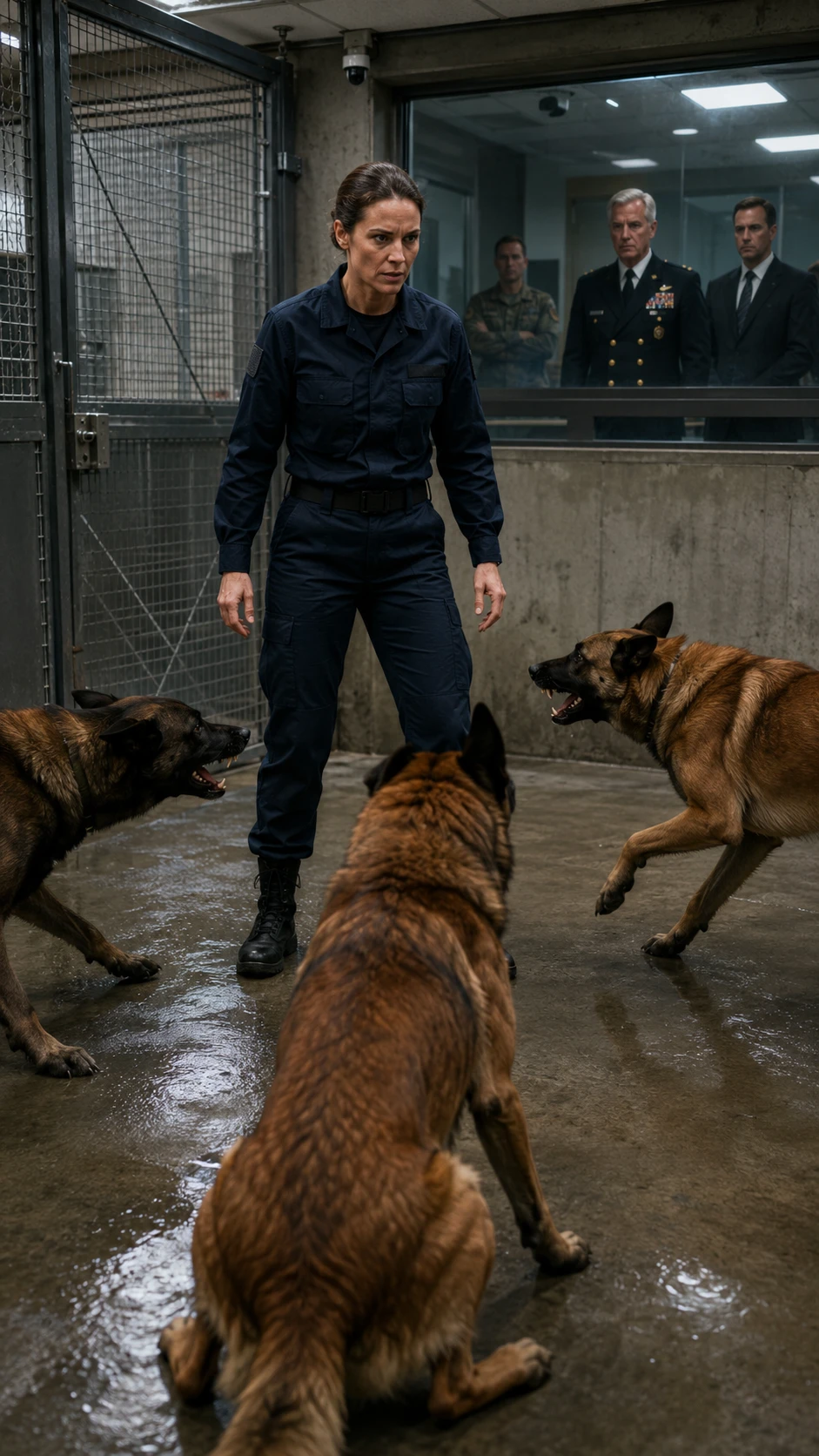
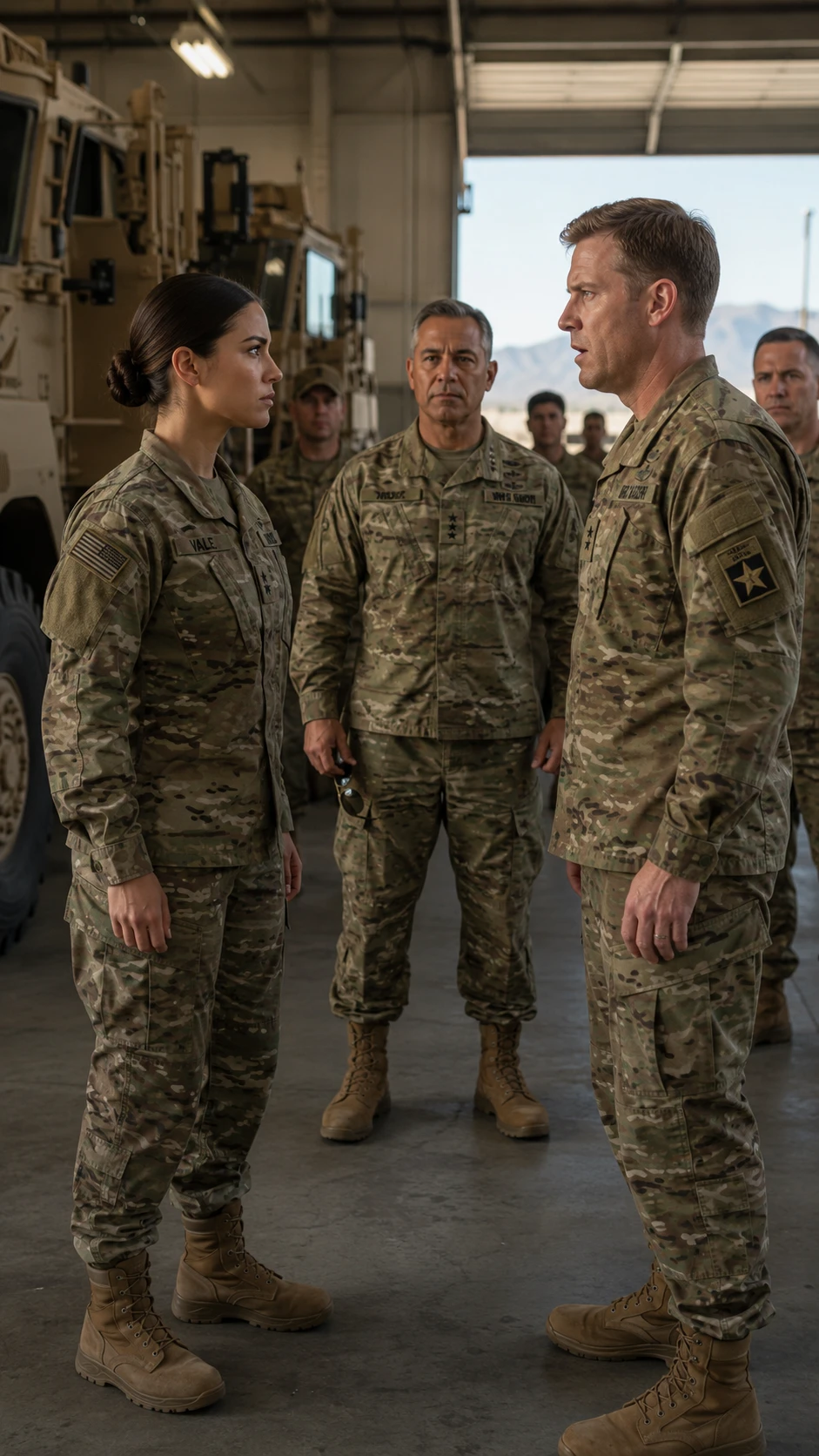
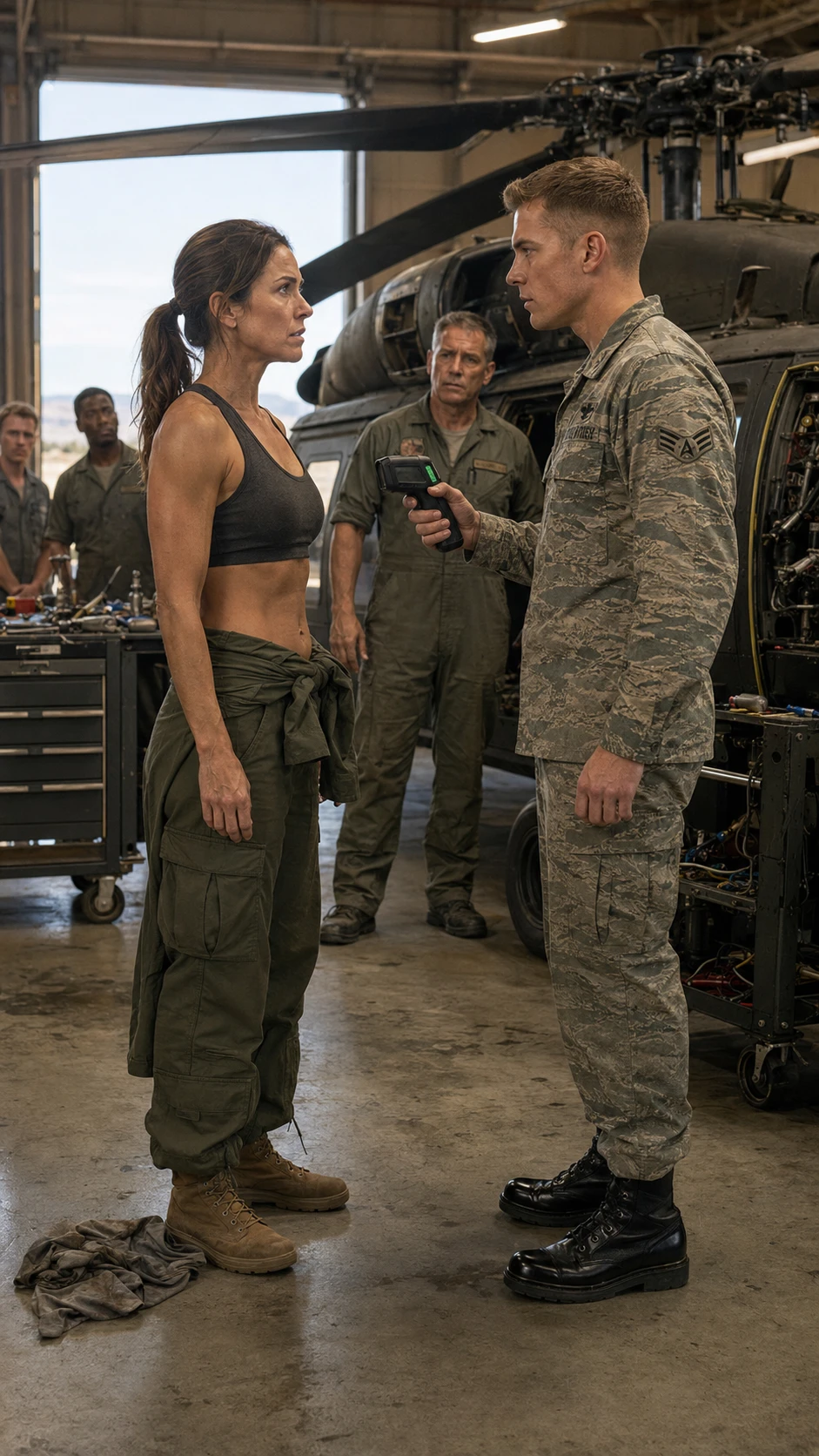
There was something else Ryan did not know.
My father was General Thomas Bennett, a respected four-star Army general.
When I married Ryan, I begged my father not to reveal who I was.
I wanted a husband who loved me for myself, not for my family name or influence.
For years, my father kept that promise.
Two days later, Ryan finally came home smiling.
He probably expected to find me upstairs with our newborn baby, ready to forgive him the moment he walked through the door.
Instead, he froze.
Several black military SUVs were parked outside the house.
Uniformed officers stood silently along the driveway.
An American flag moved gently in the breeze.
At the center of it all stood my father.
General Thomas Bennett slowly turned to face Ryan.
His expression was not full of rage.
It was not hatred.
It was worse.
It was the quiet disappointment of a father who had learned exactly how his daughter had been abandoned when she needed her husband most.
As Ryan stared at the officers surrounding the house, the color drained from his face.
For the first time since leaving me alone in labor, he realized he had never truly known the woman he married.
The woman he married.
Ryan’s hand tightened around the leather handle of the gift bag he had brought from his mother’s party.
It was ridiculous, almost absurd, seeing him stand there with glossy wrapping paper and a silver bow while soldiers watched him from every angle.
For a moment, he looked offended more than frightened.
“This is my house,” he said, but his voice cracked before he finished.
No one moved.
The men at the driveway did not raise their weapons. They did not need to. Their stillness was enough. Their presence said something far colder than anger.
It said the situation had already moved beyond Ryan’s control.
General Thomas Bennett stepped forward with slow, measured calm.
“Your house?” he asked.
Ryan swallowed.
He looked past my father, toward the front windows, as if expecting me to appear there holding our child, tired but forgiving.
“Where’s Claire?” he demanded. “Where’s my wife?”
The word wife sounded strange coming from him now.
Not because we had stopped being married legally.
Because two days earlier, I had begged him as his wife. I had called his name with blood on the floor and fear in my throat.
And he had chosen a birthday cake.
My father did not answer immediately.
He studied Ryan’s face with a discipline that had probably unsettled stronger men in war rooms.
“Your wife,” he said quietly, “is alive.”
Ryan’s shoulders dropped with relief.
Then my father added, “Barely.”
The gift bag slipped from Ryan’s hand and hit the stone walkway. Tissue paper spilled out. Something expensive shattered inside.
Ryan flinched at the sound, then forced his expression back into anger.
“What is this?” he snapped. “Some kind of intimidation stunt? Claire is angry, so she called in soldiers?”
A captain near the porch turned his head slightly, but my father lifted one hand.
The captain stayed silent.
My father did not shout.
That made it worse.
“Claire did not call me,” he said. “The hospital did.”
Ryan blinked.
“The hospital had no reason to call you.”
My father’s jaw shifted once.
“They had every reason.”
Ryan opened his mouth, then closed it.
For the first time, he noticed the black sedan parked near the curb. Two women in dark suits stood beside it. They were not soldiers. One held a folder against her chest. The other watched him with the exhausted patience of someone who had seen too many men confuse cruelty with authority.
“Who are they?” Ryan asked.
“Investigators,” my father said.
Ryan’s eyes widened.
“What kind of investigators?”
“The kind who ask why an active-duty Army officer with high-risk pregnancy complications was abandoned by her spouse during a medical emergency.”
Ryan stared at him.
Then he laughed.
It was small, sharp, and desperate.
“Active-duty officer?” he repeated. “Claire? No. Claire doesn’t even like driving downtown alone.”
The words reached me through the cracked bedroom window upstairs.
I was sitting in a wheelchair beside the curtain, wrapped in a hospital blanket, my body aching in places I did not know could ache.
I had been discharged only an hour earlier against my father’s wishes. Not because I was fully well, but because I needed to come home once.
I needed Ryan to see what he had returned to.
I needed myself to see it too.
Beside me, my best friend and fellow officer, Major Elena Ruiz, kept one hand on the back of my chair.
“You do not have to watch this,” she whispered.
But I could not look away.
Two days earlier, I had believed pain was the worst thing a body could survive.
I was wrong.
The worst thing was hearing your husband call you dramatic while your life, and your baby’s life, began slipping away.
My son had survived.
Barely.
He was still in the neonatal intensive care unit, small and perfect beneath a maze of wires and warm lights.
I had held him for thirty-seven seconds before they took him back.
Thirty-seven seconds.
Long enough to memorize his tiny mouth.
Long enough to know I would never again beg anyone to believe my pain.
Ryan’s voice rose outside.
“This is insane. Claire never told me she was military. She lied to me.”
My father looked at him for a long moment.
Then he said, “She concealed her assignment. She did not conceal her humanity.”
Ryan’s face hardened.
“Where is my baby?”
The question struck my chest like a second surgery.
My father’s expression changed.
Only slightly.
But everyone who knew him would have noticed.
The general disappeared.
The father remained.
“Your son is in critical care,” he said.
Ryan’s mouth opened.
No sound came out.
For half a second, I saw something that looked like genuine fear pass through him.
Then his eyes shifted.
Not toward the hospital bracelet still around my wrist.
Not toward the blood that had been cleaned from the kitchen floor.
Toward the officers.
Toward the investigators.
Toward the house.
His mind was already calculating what this meant for him.
That was the moment something inside me finally broke cleanly.
Not shattered.
Released.
I realized I had not lost the man I loved. I had finally seen the man I had been protecting myself from seeing.
Downstairs, my father said, “You will come inside.”
Ryan took one step backward.
“I’m not going anywhere with armed soldiers.”
“You are not under arrest,” my father said.
“Then they need to leave.”
“No.”
Ryan’s face flushed.
“You can’t do this.”
My father leaned closer.
“I can do many things, Mr. Whitmore. But today I am doing something very simple. I am asking you to walk into the home where my daughter almost died alone and answer questions.”
Ryan looked at the house again.
His gaze reached the upstairs window.
For one breath, I thought he saw me.
Maybe he did.
His face changed in a way I could not read.
Then he looked away first.
Elena squeezed my shoulder.
“You ready?”
I wanted to say no.
I wanted to curl into the blanket and ask someone else to live the next hour for me.
Instead, I nodded.
“Take me downstairs.”
The stair lift my father had ordered installed years ago for my late grandmother had never been removed. Ryan used to complain it made the house look like a nursing facility. I used to laugh softly and tell him compassion was not ugly.
Now the chair carried me down one slow step at a time.
Every mechanical hum seemed too loud.
Every inch downward felt like walking into battle without armor.
When I reached the foyer, Ryan was already inside.
He stood near the kitchen threshold, staring at the faint pink stain that still marked one line of grout between the tiles.
Someone had cleaned the glass.
Someone had cleaned the blood.
But some things did not vanish just because they were scrubbed.
Ryan turned when he heard the stair lift stop.
His face went pale.
For a second, he looked almost young.
“Claire,” he said.
I waited.
The first words mattered.
I had learned that from military briefings, from emergency calls, from watching men reveal themselves when pressure stripped away polish.
Ryan took a step toward me.
Two officers shifted.
He stopped.
“What happened to you?” he whispered.
I looked at him.
My body felt heavy. My incision burned. My arms trembled from medication and blood loss.
Still, my voice came out steady.
“You left.”
His mouth tightened.
“I didn’t know it was that serious.”
I stared at him.
“You saw me bleeding.”
He looked down.
“I thought…”
He stopped.
“You thought what?” I asked.
He rubbed his forehead with two fingers.
“I thought you were trying to stop me from going.”
There it was.
Not apology.
Accusation, wearing the clothes of regret.
Elena’s hand tightened on the wheelchair handle.
My father remained silent behind him.
Ryan noticed them both and straightened.
“Claire, tell them this is a misunderstanding.”
A laugh almost escaped me.
It hurt too much, so it became a breath.
“A misunderstanding?”
His voice softened, but I knew that softness. I had heard it before in restaurants, after he insulted me in front of friends. I had heard it in the car, after he called me useless for forgetting dry cleaning.
It was the voice he used when witnesses were present.
“I panicked,” he said. “I handled it badly. But I came back.”
“You came back two days later.”
“My phone died.”
One of the investigators opened her folder.
Without looking up, she said, “Your phone did not die, Mr. Whitmore.”
Ryan turned sharply.
She continued, “Cell records show your device was active for fourteen hours after you left the residence. You made twenty-six outgoing calls, sent fifty-three messages, and uploaded three videos from the birthday party.”
Ryan’s lips parted.
The foyer went still.
My father did not look surprised.
I did.
Not because Ryan had lied.
Because someone had already known.
The investigator glanced at me with unexpected gentleness.
“Mrs. Whitmore, I’m Special Agent Dana Cole, Army Criminal Investigation Division. I am sorry we’re meeting under these circumstances.”
Ryan recoiled.
“Criminal Investigation? For what? Not driving someone to a hospital?”
Agent Cole’s eyes settled on him.
“For now, we are reviewing potential neglect, obstruction of emergency care, and possible interference involving a protected service member.”
Ryan’s face twisted.
“Protected? She’s my wife.”
“No,” I said.
Everyone looked at me.
I swallowed through the dryness in my throat.
“I am a soldier. I am a patient. I am a mother. I was your wife before all of that. But I was never your property.”
The words left me shaking.
But they left me free.
Ryan stared at me as if I had slapped him.
Then, for the first time, his anger cracked into something uglier.
“You lied to me for years.”
My father’s voice cut in.
“She had clearance obligations.”
Ryan pointed at me.
“She let me look like a fool in front of everyone.”
A silence followed.
It told the truth better than any speech.
That was what hurt him most.
Not that I had nearly died.
Not that our son was fighting for breath.
That he looked foolish.
My father stepped between us.
“Sit down.”
Ryan’s jaw clenched.
“I want a lawyer.”
“You should have one,” Agent Cole said. “You are not being detained. But before you leave, you need to understand what has already been documented.”
She placed several printed pages on the entry table.
At the top was a transcript.
My 911 call.
I saw my own words in black ink.
My husband left. I’m alone. I’m pregnant. Please hurry.
The room tilted.
Elena leaned close.
“Breathe, Claire.”
Ryan stared at the transcript.
His face moved through disbelief, irritation, fear, then calculation again.
“Anyone can say anything while scared,” he muttered.
Agent Cole turned another page.
“Paramedic body camera footage confirmed the condition of the home on arrival. Blood on the kitchen floor. Patient alone. No spouse present.”
Ryan said nothing.
“Hospital records confirm emergency cesarean delivery, maternal hemorrhage, severe hypertensive episode, and neonatal respiratory distress.”
Every word landed like a stone.
I knew all those things.
I had lived them.
But hearing them in a calm official voice made them more real.
Ryan slowly lowered himself onto the edge of the hallway bench.
His knees seemed to stop trusting him.
Then he whispered, “Is he going to live?”
My throat closed.
For a second, I wanted to punish him with silence.
But my son was not a weapon.
“Our son is stable,” I said. “Not safe yet. Stable.”
Ryan covered his mouth.
His shoulders shook once.
I did not know whether it was grief, fear, or self-pity.
Maybe all three.
Then the front door opened.
Evelyn Whitmore swept into the foyer like she was entering a luncheon.
She wore cream silk, pearls, and outrage.
“What is going on here?” she demanded. “There are military vehicles in my son’s driveway.”
Behind her came Ryan’s younger sister, Marissa, pale and hesitant, holding her phone in both hands.
Evelyn saw my father and froze.
Recognition moved across her face.
Not confusion.
Recognition.
It was fast, but I caught it.
So did my father.
His eyes narrowed.
“Mrs. Whitmore,” he said.
Evelyn recovered quickly.
“I don’t know what Claire has told you, but my son is a good man.”
The old version of me would have flinched.
I would have worried about sounding rude.
The woman in the wheelchair did not.
“Your son left me bleeding on the kitchen floor.”
Evelyn looked at me for one polished second.
Then she sighed.
“Claire, childbirth is difficult. Women have survived worse without turning it into a military operation.”
The temperature in the room changed.
Elena stepped forward.
My father’s hand lifted, stopping her.
Ryan looked at his mother, startled.
“Mom.”
“What?” Evelyn snapped. “You said yourself she exaggerates. She always wanted attention.”
I stared at her.
There it was again.
The word Ryan had used.
Dramatic.
Exaggerates.
Attention.
A vocabulary passed down like inheritance.
Marissa looked sick.
“Mom, stop.”
Evelyn turned on her.
“You stay out of this.”
But Marissa did not.
For the first time since I had known her, she did not shrink.
She stepped into the foyer and looked directly at me.
“Claire,” she said, voice trembling. “I’m sorry.”
Ryan stood.
“Marissa.”
She ignored him.
“I should have called you sooner. I should have said something months ago.”
My fingers tightened around the blanket.
“What are you talking about?”
Evelyn’s face sharpened.
“Marissa, don’t be stupid.”
Agent Cole looked up.
That was all.
Just one glance.
Marissa’s hands began shaking around her phone.
“I have recordings,” she said.
Ryan went still.
Evelyn’s pearls shifted as her throat worked.
“What recordings?” my father asked.
Marissa looked at her brother, and tears filled her eyes.
“From Mom’s study. From the party. From before.”
Ryan’s face emptied.
“Marissa, give me the phone.”
“No.”
He moved toward her.
Two soldiers stepped in.
Ryan stopped.
Marissa’s voice broke.
“I didn’t know Claire was really in danger that night. I swear I didn’t. But I heard what Mom told you before you left.”
Evelyn’s expression hardened into something cold and old.
“Enough.”
Marissa tapped her phone.
A recording began.
At first, there was music in the background, glasses clinking, party noise.
Then Evelyn’s voice, unmistakable.
“She’ll call. She always does when she wants to control you.”
Ryan’s voice answered, lower.
“She said something’s wrong.”
“Of course she did. If you go back now, she wins. You have to teach her that your family comes first.”
My skin turned cold.
Ryan closed his eyes.
Evelyn reached for the phone, but Marissa stepped back.
The recording continued.
Ryan said, “She mentioned blood pressure.”
Evelyn laughed.
“Pregnancy gives women endless excuses. Let her call an ambulance if she’s so desperate.”
The room went silent.
Not quiet.
Silent.
The kind of silence that happens after a bridge collapses.
The first hidden motive revealed itself: Evelyn had not merely ignored my emergency. She had encouraged Ryan to abandon me because she saw my pregnancy as a threat to her control over him.
Ryan looked at his mother.
For once, there was no defense ready.
Evelyn lifted her chin.
“I was trying to protect my son’s marriage from manipulation.”
My father spoke very softly.
“You heard your daughter-in-law might be bleeding and told your son not to return.”
Evelyn’s face did not change.
“She had emergency services available.”
Something inside Ryan seemed to buckle.
“Mom,” he whispered. “You said she was faking.”
“I said she was dramatic.”
“She almost died.”
Evelyn’s eyes flicked toward me.
Then away.
“And she didn’t.”
That was when my father moved.
Only one step.
But the whole room felt it.
“Mrs. Whitmore,” he said, “I have spent thirty-eight years sending young men and women into danger. I have informed parents their children were never coming home. I have seen battlefield medics fight for strangers with more tenderness than you have shown the mother of your grandson.”
Evelyn’s confidence faltered.
“Do not lecture me in my son’s home.”
My father looked around the foyer.
“This home was purchased using a veterans housing trust in my daughter’s name.”
Ryan flinched.
Evelyn blinked.
I turned toward my father.
“What?”
He looked at me, and for the first time all day, guilt crossed his face.
“Claire,” he said quietly, “there are things I need to explain.”
The second hidden motive was waiting there.
Not in Ryan.
Not in Evelyn.
In my father.
I felt the room shift again.
“Explain what?” I asked.
My father took a breath.
“When you married Ryan, you asked me not to reveal your name or position. I respected that.”
I nodded slowly.
“But after the first year, I became concerned.”
Ryan’s head snapped up.
“Concerned about what?”
My father did not look at him.
“Claire stopped visiting alone. She stopped answering calls unless you were in the room. She explained away bruises as clumsiness. She minimized things that did not sound minor.”
Ryan’s face reddened.
“I never hit her.”
“No,” I said.
And somehow, that answer hurt too.
“He didn’t hit me.”
My father’s eyes stayed on mine.
“But he controlled enough for me to recognize a pattern.”
I looked down at my hands.
My wedding ring was gone.
The nurses had removed it when swelling made my fingers dangerous.
I had not asked for it back.
My father continued.
“I placed no surveillance in your home. I never violated your privacy. But I quietly ensured you had protection if you ever needed it.”
Ryan stood again.
“What does that mean?”
My father reached into his coat and removed a folded document.
“The house was never solely yours. Claire purchased it through a trust tied to her military benefits and inheritance from her grandmother. Your name was added for marital convenience, not ownership control. After evidence of financial coercion surfaced, the trust activated protective provisions.”
Ryan’s voice became thin.
“Financial coercion?”
Agent Cole turned another page.
“Mrs. Whitmore’s military retention bonus and hazard pay deposits were redirected through joint accounts for over two years. Several withdrawals align with payments to Evelyn Whitmore’s private event planning company.”
Evelyn’s mouth opened.
I stared at Ryan.
I had known money disappeared.
I had believed his explanations.
Taxes.
Investments.
Family obligations.
Business loans.
“You used my military pay?” I asked.
Ryan looked trapped.
“I was managing our finances.”
“You told me I wasn’t good with money.”
“You weren’t involved.”
“Because you changed the passwords.”
He looked away.
Evelyn recovered first.
“This is a family matter.”
Agent Cole said, “Not anymore.”
My father turned to me fully.
“I am sorry, Claire. I should have told you sooner that I suspected more than emotional neglect.”
The anger I expected did not come.
Instead, a tired grief rose through me.
“You were watching?”
“From as far away as you allowed me,” he said. “And not enough.”
His voice cracked on the last two words.
That cracked me more than his authority ever could have.
Because my father, General Thomas Bennett, had always been immovable.
Now he looked like a man who had won wars and still failed to protect his child from a kitchen floor.
The second hidden motive revealed itself: my father’s silence had not been ignorance. It had been a promise kept too strictly, until love finally overruled secrecy.
Marissa wiped her face.
“There’s more,” she whispered.
Evelyn turned on her with real panic now.
“Marissa, you ungrateful little fool.”
Marissa flinched.
Then she looked at me.
“I found out last month. Mom was pushing Ryan to file for divorce after the baby was born.”
Ryan cursed under his breath.
My stomach dropped.
“What?”
Marissa nodded, crying harder.
“She said if he waited until after delivery, he could argue you were unstable. Postpartum, secretive, unfit. She said he should get custody leverage and keep access to the house.”
Ryan shouted, “That is not what happened.”
Evelyn snapped, “Be quiet.”
And that command told everyone enough.
Marissa played another recording.
This one was clearer.
Evelyn’s voice again.
“Once the baby is here, Claire will be weak. Emotional. Exhausted. That is when you make decisions. You document everything. Her mood swings. Her secrecy. Her military nonsense. A judge will not like a mother who disappears for classified assignments.”
Ryan said, “And the house?”
“If she leaves, we negotiate. If she fights, we use the child.”
The recording ended.
No one spoke.
I could hear the flag outside snapping gently in the wind.
I could hear my own heartbeat.
I could hear the ghost of myself months earlier, apologizing to Ryan for being tired, apologizing for sleeping too much, apologizing for asking where money had gone.
I looked at him.
“Was any of it real?”
Ryan’s eyes were wet now.
That surprised me.
Maybe he loved me in the small, selfish way some people love things that make them feel powerful.
Maybe he loved the version of me that cooked, smiled, forgave, and stayed.
But the real me had always frightened him.
“I didn’t want to lose everything,” he said.
I nodded slowly.
“You mean the house.”
“No,” he said quickly. “I mean us.”
“You left us.”
His face twisted.
“I made a mistake.”
“A mistake is forgetting a prescription,” I said. “A mistake is missing a turn. You heard me beg. You saw blood. You left anyway.”
He looked at the kitchen floor.
Then at his mother.
For one second, he seemed to understand that obedience had cost him more than rebellion ever would have.
Evelyn grabbed his arm.
“Do not let them manipulate you.”
Ryan pulled away.
It was small.
But Evelyn saw it.
So did I.
“Mom,” he said, voice hollow. “Did you know about the money?”
She stared at him.
“You needed help.”
“You told me Claire would never notice.”
“She didn’t.”
The cruelty of that answer landed harder than any confession.
Because it was true.
I had not noticed enough.
Not because I was stupid.
Because I trusted the wrong people while carrying a child and a classified burden that trained me to compartmentalize pain.
Elena knelt beside my chair.
“Claire,” she said softly, “you need to sit with your blood pressure.”
“I am sitting.”
“You know what I mean.”
She was right.
The edges of the room had begun to shimmer.
My father saw it.
His entire posture changed.
“Enough for today.”
Ryan stepped forward.
“Wait. I need to see my son.”
The answer came from me before anyone else.
“No.”
He recoiled.
“I’m his father.”
“You are his biological father,” I said. “Whether you become anything more depends on what you do next, legally and honestly.”
“You can’t keep him from me forever.”
“I’m not trying to. I’m keeping him safe today.”
His face crumpled.
For the first time since he came home, I saw something like real devastation.
Not because of the soldiers.
Not because of the charges.
Because the word father had not opened the door.
He had thought it would.
He had thought biology was a key.
It was not.
Agent Cole closed her folder.
“Mr. Whitmore, you are free to leave. You will be contacted by counsel and investigators. Do not attempt to remove documents or property from this residence.”
Evelyn grabbed her purse.
“Ryan, come.”
But Ryan did not move.
He looked at me.
“Claire, please.”
That word.
Please.
I had used it on the kitchen floor.
I had used it while our son fought to enter the world.
Now it came back wearing his voice.
I did not feel satisfaction.
I felt tired.
“Go,” I said.
He waited, as if expecting more.
I gave him nothing.
Ryan walked out past my father without touching him, without looking at the officers, without picking up the broken gift bag.
Evelyn followed, stiff with fury.
At the doorway, she turned back.
“You think power makes you right.”
My father answered, “No. But your lack of compassion makes you wrong.”
The door closed behind her.
The room exhaled.
Marissa remained.
She looked small in the enormous foyer, her phone still clutched like a confession.
“I’m sorry,” she whispered again. “I know it doesn’t fix anything.”
I looked at her for a long moment.
She had known enough to record.
Not enough to stop it.
That truth had edges.
But she had come here.
She had stood against the woman who raised her and the brother she feared.
“No,” I said. “It doesn’t fix anything.”
Her face collapsed.
Then I added, “But it matters.”
She covered her mouth and sobbed.
My father turned away, giving her privacy.
Elena wheeled me into the living room, where someone had moved a hospital recliner near the window.
The house looked different now.
Same walls.
Same furniture.
Same framed wedding photo on the mantle.
But everything false had become visible.
Ryan’s smile in the photo looked polished, possessive, proud.
Mine looked hopeful.
I wanted to hate that version of myself.
Instead, I mourned her.
“She didn’t know,” I whispered.
Elena helped me into the recliner.
“Who?”
“Me.”
Elena tucked the blanket around my legs.
“She survived long enough to become you.”
That broke me.
Not loudly.
No dramatic sobbing.
Just tears sliding down my face while the late afternoon sun warmed the floor where I had almost died.
My father stood near the mantle, staring at the wedding photo.
Then he took it down.
He did not smash it.
He did not throw it.
He simply laid it face down on the table.
“Claire,” he said, “there is one more thing.”
I closed my eyes.
“I can’t take more.”
“I know.”
But his voice told me this thing was different.
I opened my eyes.
He came closer, and for once, he looked uncertain.
“When the hospital called me, they did not call because of your last name.”
I frowned.
“What?”
“They called because of the medical directive you signed during your last deployment.”
My memory flickered.
A stack of forms.
Emergency contacts.
Classified next-of-kin protocol.
I had listed my father as secondary because Ryan hated “military paperwork” and told me not to involve him.
“The directive flagged me,” my father said. “But the first alert did not come from command.”
“Then from who?”
His expression softened.
“From your doctor.”
Dr. Amelia Shah.
The same doctor who had warned Ryan.
The same doctor whose eyes had lingered on me too long during appointments when Ryan answered questions for me.
“She called you?”
“She filed a concern weeks ago,” he said. “Quietly. She suspected you might not have reliable support at home.”
I remembered her asking, “Do you feel safe preparing for delivery?”
I remembered Ryan laughing.
“Of course she does.”
I remembered saying yes because I did not know how to say no with him sitting there.
My father continued.
“Dr. Shah also contacted a maternal support liaison attached to military families. Elena was notified. So when your 911 call came in, the network moved quickly.”
I turned to Elena.
“You knew?”
Her eyes filled.
“I knew something was wrong. Not the details. You kept saying you were fine.”
“I thought I was.”
“No,” she said gently. “You were trained to endure. That is not the same thing.”
That sentence stayed in the room.
It explained too much.
My father sat on the edge of the coffee table, careful and slow, like approaching a wounded animal.
“The military vehicles were not here for revenge,” he said. “They were here because the house had sensitive materials secured in your office, and because after Ryan disappeared for two days, we could not assume he would return calmly.”
I looked toward the hallway leading to my small locked study.
Ryan had always called it my “little hobby room.”
He had hated that door.
He hated anything he could not open.
“What materials?” I asked.
Elena hesitated.
My father nodded.
“She has clearance to know her own work.”
Elena took a breath.
“The humanitarian extraction files from your last assignment. You brought home redacted transition notes. They were supposed to be moved next week.”
My mind struggled through medication and pain.
Then I understood.
Ryan had not only abandoned me.
If he had entered angry, grabbed documents, searched accounts, or opened that room, he could have created a national security incident without understanding what he touched.
Suddenly the guns outside felt different.
Not punishment.
Protection.
For me.
For my son.
For people whose names I had promised never to expose.
The final twist began to take shape: the military presence was never a display of vengeance. It was a shield built from every warning sign I had minimized.
I breathed slowly.
“Did Ryan know about the office?”
“Not what was inside,” Elena said. “But he asked about it more than once.”
I remembered.
Why do you need a lock?
Who are you hiding things from?
Married people don’t keep secrets.
The lines had sounded like jealousy then.
Now they sounded like probing.
Marissa, still near the doorway, spoke in a tiny voice.
“He asked Mom once if Claire’s office could have financial records.”
Everyone turned.
She swallowed.
“He thought maybe you had accounts hidden from him. Mom told him to find proof before the baby came.”
My father’s face darkened.
Agent Cole made another note.
Marissa wiped her cheek.
“I think he came back today partly for the baby. But also because Mom told him to check the office before Claire got home.”
The room went cold again.
Ryan had walked in carrying a gift bag.
An apology prop.
A husband costume.
But maybe beneath the tissue paper and silver bow, he had brought another intention.
My father looked toward the shattered bag outside.
“Captain,” he called.
An officer opened the door and retrieved it.
Inside, beneath broken glass from a decorative frame, was a small pry tool.
No one spoke.
The captain placed it on the entry table inside an evidence sleeve.
I stared at it.
Not because it surprised me.
Because it did not.
That was the worst part.
Somewhere deep down, I had known Ryan’s apologies always came with a hidden blade.
Marissa started crying again.
“I’m sorry. I didn’t know he brought that. I didn’t know.”
My father looked at Agent Cole.
She nodded once.
Ryan’s return had not been only arrogance.
It had been opportunity.
He expected a weak wife.
A newborn distraction.
An empty house.
Instead, he found the truth waiting in uniform.
Hours passed in fragments after that.
Statements.
Documents.
Phone calls.
A nurse checking my pressure.
Elena making me drink water.
My father speaking quietly with legal counsel near the window.
Marissa sitting alone in the dining room, giving her recordings to investigators with hands that would not stop shaking.
At sunset, I asked to go to the hospital.
No one argued.
On the drive, my father sat beside me in the back of the SUV.
For most of the ride, he said nothing.
The city moved around us in gold and gray.
People walked dogs.
Couples carried groceries.
Life continued with insulting normalcy.
Finally, he spoke.
“I wanted to drag you out years ago.”
“I know.”
“No,” he said. “You don’t. I had speeches prepared. Legal options. Security plans. I rehearsed what I would say if you finally admitted you were unhappy.”
I looked at him.
“Why didn’t you say it?”
“Because every time I tried, you defended him.”
That hurt because it was true.
“He was never like this at first,” I said.
My father nodded.
“They rarely are.”
I turned toward the window.
“I thought keeping my identity secret would protect me.”
“It did,” he said. “From people chasing your name.”
Then he looked at me.
“But it could not protect you from someone resenting your strength before he even knew its source.”
The hospital came into view.
My chest tightened.
For two days, that building had held the only thing that mattered.
My son.
My tiny boy.
Our baby had been named in the operating room because I was afraid he might not live long enough for later.
I named him Noah.
Not after anyone powerful.
After the idea of survival.
When the NICU doors opened, the world narrowed to monitors and soft beeping.
A nurse smiled gently.
“He had a good hour,” she whispered. “Oxygen support is down a little.”
The relief nearly knocked me sideways.
Elena helped me wash my hands.
My father waited outside the room.
He had commanded armies, but he did not enter without permission.
That was love too.
Respect at the threshold.
Inside, Noah lay beneath warm light, impossibly small beneath a knitted blue cap.
His chest rose and fell quickly.
Too quickly.
But it rose.
I placed one finger through the opening in the incubator.
His hand curled around it.
That tiny grip destroyed me.
After all the noise, all the vehicles, all the uniforms, my son’s fragile fingers became the only authority I recognized.
“Hi, Noah,” I whispered. “I’m here.”
His eyelids fluttered.
A nurse adjusted a tube with practiced tenderness.
I lowered my forehead near the plastic wall.
“I’m sorry I couldn’t protect you from the beginning.”
Elena stood behind me.
“You did protect him.”
“I almost didn’t.”
“But you called,” she said. “You crawled. You fought. That counts.”
I looked at Noah’s tiny hand around my finger.
For the first time since the kitchen floor, I believed her.
Later that night, my father entered alone.
He had removed his uniform jacket.
Without the stars, he looked older.
Just a father.
Just a grandfather.
He stood beside the incubator with his hands clasped in front of him.
“Permission to meet him?” he asked softly.
I laughed through tears.
“Granted.”
He stepped closer.
His face changed when he saw Noah.
Every hard line softened.
“Hello, young man,” he whispered. “I’m your grandfather.”
Noah did not move.
A monitor beeped steadily.
My father’s eyes shone.
“He’s strong.”
“He has to be.”
“No,” my father said. “He already is.”
We stood there in quiet.
Then he reached into his pocket and pulled out a small cloth patch.
It was worn at the edges.
I recognized it immediately.
The unit patch from my first deployment.
The one I had lost years ago.
“You kept that?” I asked.
He nodded.
“You mailed it to me after your first mission. You wrote that you were scared, but you did your job anyway.”
I remembered.
Barely twenty-four, trying to sound brave.
My father looked at Noah.
“I kept it because I wanted proof that courage and fear can live in the same person.”
He placed the patch in my palm.
“Someday, when he asks what kind of woman his mother was, you show him this.”
I closed my fingers around it.
“What if he asks about his father?”
My father’s expression grew sad.
“Then you tell him the truth in an age-appropriate way. Not with bitterness. Not with lies. Just truth.”
I nodded.
That would be hard.
But I had done hard things before.
The days that followed did not become easy.
Happy endings in real life rarely arrive with music.
They arrive through paperwork, court dates, therapy appointments, medication alarms, and nights spent watching oxygen numbers.
Ryan was served with a protective order.
Evelyn’s company came under financial investigation.
The recordings Marissa provided became part of a broader case that included money transfers, medical neglect, and attempted unauthorized access to my secured office.
Ryan’s lawyer sent a statement claiming emotional distress and misunderstanding.
Agent Cole read it aloud with a face so neutral it was almost impressive.
I did not respond publicly.
I had no desire to turn my trauma into a performance.
But privately, I answered everything.
Every investigator.
Every attorney.
Every doctor.
Every therapist.
Slowly, carefully, I rebuilt the record of my own life.
Not the version Ryan narrated.
Mine.
Marissa visited once.
She brought no flowers, no dramatic apology gift.
Just a folder.
Inside were copies of older messages from Evelyn.
Instructions.
Pressure.
Cruel remarks about me.
Plans dressed as concern.
Marissa sat across from me in the hospital cafeteria, twisting a napkin until it tore.
“I was afraid of her,” she admitted.
I believed that.
Evelyn had trained fear into her children with elegance.
“Are you still?” I asked.
“Yes,” Marissa said. “But less than yesterday.”
That answer was honest enough to matter.
I looked at her folder.
“Why help me now?”
She breathed shakily.
“Because when Ryan came back from your house, he said Mom had ruined everything.”
I waited.
“And I realized he still didn’t say he had ruined anything.”
That was the clearest thing anyone had said about Ryan.
I nodded.
“Thank you.”
Marissa cried silently.
“I don’t expect forgiveness.”
“Good,” I said gently. “Don’t build your healing around mine.”
She looked startled.
Then relieved.
It was the beginning of something.
Not family.
Not yet.
Maybe never.
But truth had opened a small door that silence had kept locked.
Noah came home after three weeks.
Not triumphantly.
Carefully.
With monitors, instructions, follow-up appointments, and a car seat my father inspected like equipment before deployment.
The day we brought him into the house, there were no military vehicles in the driveway.
Just my father’s old truck.
Elena’s sedan.
And sunlight.
The kitchen tile had been professionally cleaned, but I still paused at the threshold.
My body remembered.
My hands began to shake.
Elena, carrying Noah’s bag, noticed immediately.
“We can go around through the living room.”
I looked at the floor.
For a moment, I saw the glass again.
The blood.
My hand reaching for the phone.
Ryan’s back disappearing through the door.
Then Noah made a tiny sound from his carrier.
Not a cry.
A soft, irritated squeak.
The smallest protest.
I laughed.
It came out broken, but real.
“No,” I said. “We go through.”
My father stood behind me, silent.
Not pushing.
Not rescuing.
Just there.
I stepped across the kitchen threshold.
One slow step.
Then another.
Nothing happened.
The house did not swallow me.
The memory did not win.
Elena set the carrier on the table.
I unbuckled Noah with trembling hands and lifted him against my chest.
He smelled like milk, soap, and impossible mercy.
“Welcome home,” I whispered.
My father turned away quickly.
I pretended not to notice him wiping his eyes.
Weeks later, Ryan requested supervised visitation.
My attorney advised me not to attend the first hearing if my doctor objected.
I went anyway.
Not because I wanted to see him.
Because I wanted to hear myself speak in a room where he could not interrupt me.
Ryan looked thinner.
His expensive suits no longer seemed powerful.
Just expensive.
When he saw me, he stood too quickly.
“Claire.”
I did not answer.
During the hearing, his lawyer spoke of stress, confusion, family pressure, and panic.
Then my attorney played one portion of the 911 call.
Just one.
My voice filled the courtroom.
“My husband left. I’m alone… I’m pregnant… please hurry.”
Ryan lowered his head.
The judge listened without expression.
When it was my turn, I stood slowly.
My incision still pulled if I moved wrong.
But I stood.
“I am not asking the court to erase my son’s father,” I said. “I am asking the court to recognize that fatherhood is not a title someone earns by arriving after danger has passed.”
Ryan looked up.
Our eyes met.
For once, he did not smirk.
I continued.
“Noah deserves safety. He deserves truth. He deserves adults who do not use him as leverage. I will support a path that proves consistent, accountable, supervised care. But I will not pretend what happened was confusion.”
My voice shook.
I let it.
“I begged for help. He left. Our son and I survived. Survival does not make abandonment harmless.”
The judge granted supervised visitation only, pending investigation outcomes and psychological evaluation.
Ryan’s face crumpled.
Evelyn was not in the courtroom.
Her attorney was.
That told me enough.
Afterward, Ryan approached me in the hallway with his hands visible, cautious.
My father moved slightly, but I lifted my hand.
Ryan stopped several feet away.
“I’m in counseling,” he said.
I said nothing.
“I know that doesn’t fix it.”
“No,” I said. “It doesn’t.”
He swallowed.
“I thought love meant loyalty to the person who raised me.”
I looked at him.
“Love without conscience is just obedience.”
His eyes filled.
“I don’t know how to be someone else yet.”
That was the first honest sentence he had given me.
It did not heal anything.
But it did not insult the wound.
“Then learn away from us,” I said.
He nodded, crying silently now.
“Can you tell Noah I’m sorry?”
“No,” I said.
His face fell.
“When he is old enough, you can tell him yourself. If you become the kind of man who understands what that apology costs.”
I walked away before he could answer.
It felt cruel.
It was not.
It was a boundary.
Months passed.
Noah grew.
First in ounces.
Then in smiles.
Then in the startling strength of his tiny fists grabbing my shirt as if he planned to stay attached forever.
The investigation moved slowly, as truth often does when it has to pass through systems.
Evelyn’s finances unraveled faster.
Her company had been taking “loans” from Ryan that originated in my accounts.
She claimed ignorance.
Marissa’s recordings disagreed.
Ryan eventually accepted a plea agreement on financial charges and entered a mandated treatment program tied to any future custody expansion.
It was not the dramatic ruin people imagine.
No prison doors slamming in slow motion.
No public downfall satisfying enough to erase pain.
Just consequences.
Documented, legal, imperfect consequences.
Evelyn lost her business licenses and most of her social circle.
That may have hurt her more than the money.
Marissa moved out of her mother’s house.
She sent Noah a blanket for Christmas with a note asking permission, not assuming access.
I kept the blanket.
Not the note.
Some bridges need to be rebuilt without decorations.
My father retired the following spring.
At the ceremony, I stood in the back with Noah strapped against my chest.
General Thomas Bennett received applause from people who knew medals, missions, and history.
But when he found me in the crowd, his eyes went straight to Noah.
Afterward, beneath a bright sky, he held his grandson while officers approached to congratulate him.
One colonel laughed and said, “Sir, retirement looks good on you.”
My father looked down at Noah chewing on his tiny fist.
“Best command I’ve ever had,” he said.
I rolled my eyes.
“Please don’t make him your new unit.”
“No promises.”
Elena groaned.
“Someone save that child.”
For the first time in a long time, laughter did not feel borrowed.
It felt like ours.
That evening, after everyone left, my father and I sat on the porch of the house that was finally only mine.
Noah slept inside, monitored by a baby camera on the table between us.
The driveway was empty.
No SUVs.
No soldiers.
No loaded weapons.
Just crickets, porch light, and the soft static of a sleeping child.
My father looked toward the kitchen window.
“I still see it,” he said.
I knew what he meant.
“So do I.”
“I’m sorry.”
“You’ve said that.”
“Not enough.”
I leaned back, tired but peaceful.
“You kept my secret because I asked you to.”
“I should have broken the promise.”
“Maybe,” I said. “But I also needed to learn that privacy and isolation are not the same thing.”
He looked at me.
“That sounds like therapy.”
“It was expensive enough to sound good.”
He laughed softly.
Then silence settled.
Not heavy.
Gentle.
I reached into my pocket and pulled out the old unit patch he had given me in the NICU.
I had sewn it onto a small cloth square, along with Noah’s hospital bracelet and the date he came home.
Not a shadow box.
Not a monument.
Just a piece of truth stitched by hand.
“I’m making him a memory quilt,” I said.
My father touched the edge carefully.
“That’s beautiful.”
“I’m putting this in the center.”
“The patch?”
I nodded.
“Not because I want him to worship strength. Because I want him to know strength can look like calling 911 from the floor.”
My father’s eyes filled again.
He had become softer since retirement.
Or maybe I had finally become still enough to notice.
The baby monitor crackled.
Noah sighed in his sleep.
A tiny, content sound.
I looked toward the window.
The kitchen light was on.
For months, I had kept it off at night because seeing the tile made my chest tighten.
Now it glowed warm across the floor.
Clean.
Ordinary.
Mine.
The place where I had been abandoned had become the place where I learned to stop abandoning myself.
My father followed my gaze.
“You okay?” he asked.
I thought about Ryan.
About Evelyn.
About Marissa’s trembling confession.
About Agent Cole’s folder.
About Elena’s hand on my shoulder.
About Noah’s fingers curling around mine beneath plastic walls.
Then I thought about the woman who had begged on her knees.
For a long time, I had imagined her as weak.
Now I understood she had been fighting harder than anyone.
She had crawled through betrayal, pain, and fear to save her child.
She deserved tenderness from me.
Not shame.
“I’m getting there,” I said.
Inside, Noah made another soft sound.
I stood carefully.
My father started to rise, but I shook my head.
“I’ve got him.”
He sat back.
For once, he let me.
I walked into the house slowly, past the kitchen, past the place where the glass had shattered, and into the nursery.
Noah was awake, blinking up at the dim ceiling with solemn newborn confusion.
I lifted him from the crib and held him close.
His tiny cheek rested against my collarbone.
The whole world became smaller.
Quieter.
Better.
I carried him to the kitchen doorway and stood there under the warm light.
No blood.
No broken glass.
No slammed door.
Only my son breathing against me.
Only my own feet steady on the floor.
I kissed the top of his head.
“You and me,” I whispered. “We came home.”
Noah sighed, as if he understood.
And in the quiet house, with the porch light glowing and my father waiting outside, I finally stopped listening for the sound of someone leaving.
I listened instead to the small, stubborn heartbeat of someone who had stayed.
He Called Me “Only a Civilian”… Seconds Before He Laid His Hands on Me
“Move, you dumb mutt!”
Rain had soaked all the way through my hoodie as I walked into the packed mess hall, doing what I always did when I wasn’t wearing a uniform—trying not to be seen. My knee throbbed with every step, a quiet reminder of wars that had ended a long time ago, but had never truly left me. All I wanted was coffee, five minutes of peace, and nothing else.
Then one voice sliced through the noise.
“Move, you dumb mutt!”
I turned before my mind could catch up. Near the exit, a Sergeant towered over an elderly German Shepherd, the dog’s body shaking against the floor as it tried to make itself smaller. The gray muzzle, the faded harness—I knew what it was instantly. A retired military dog. A survivor. And he was treating it like garbage.
He kicked a chair beside the dog and laughed when it flinched.
Nobody moved.
I walked directly toward him, letting my coffee fall from my hand without even thinking, something already burning deep inside my chest. The dog edged closer as soon as I stepped between them, pressing against my leg like it understood.
“Stay out of it,” he sneered, dragging his eyes over me. “This thing is blocking the way.”
“The walkway has plenty of room,” I said evenly. “Step back.”
He laughed, leaning closer with nothing but arrogance in his face. “You’re standing on my base. You don’t give me orders.”
I crouched down, steadying the dog for one short moment before rising again and locking eyes with him. “Take three steps back. Now.”
For half a second, something shifted in his expression—then his pride swallowed it.
“Wrong answer.”
He shoved me hard.
The force threw me backward into a steel table, pain bursting through my body as I crashed onto the floor. The entire room fell silent. The dog barked and placed itself in front of me, shaking, but still trying to protect me.
Above me, he laughed.
“That’s what happens,” he announced loudly. “Somebody call the MPs—get this crazy woman off the base.”
I forced myself up slowly, blood on my lip, every single eye in the room fixed on me.
And this time…
I didn’t keep anything hidden.I wiped the blood from my lip and rose to my feet, the room completely silent around me.
For one moment, he didn’t move, but his eyes tightened, studying me as if something no longer made sense. The smirk was still on his face, but it had weakened now, stretched thin over a flash of doubt he couldn’t fully conceal.
“Stay down,” he muttered, his voice quieter this time, not nearly as sure.
The dog pressed even closer against my leg, no longer shaking in the same way, almost like it had sensed the change before anyone else in the room did. Around us, a few Marines traded fast looks, tension slipping into the air where only indifference had been seconds earlier.
I slowly reached into my pocket.
And that was when his expression shifted, just a little.
Not fear.
Not yet.
But recognition…
Trying to rise to the surface.
The room stayed taut with silence, every eye flicking between Emily and Sergeant Holt, the dog pressed firmly against her leg. Rain rattled the windows like impatient fingers, but inside, the air was still, heavy, electric. Holt’s smirk had thinned to almost nothing, but he had yet to move. I could feel the weight of every breath, every heartbeat, and the unspoken tension simmering like storm clouds ready to break.
I slowly withdrew my hand from my pocket, letting it brush against the smooth surface of the badge I always carried—proof, identification, a tether to authority that wasn’t yet visible. Holt’s eyes tracked it, the glimmer of recognition sparking briefly, a shadow passing over the hardened edge of his face. The dog’s ears twitched, alert, its body vibrating with restrained energy. The room’s tension thickened, and I felt it, a fragile rope stretched between restraint and violence.
“Three steps back,” I repeated, calm but firm, letting the authority in my voice anchor the charged silence. The dog nudged me lightly, urging patience. Holt’s jaw twitched, nostrils flaring, but he did not advance. The Marines around us shifted subtly, some gripping trays or cups, the collective breathing of the room becoming a single, shared rhythm of anticipation.
Then Holt’s expression softened—just slightly, just enough to catch my attention. There was hesitation, almost imperceptible, a crack in the armor of arrogance he had worn for so long. My mind raced, connecting dots I hadn’t even realized were there before. The way he had treated the dog, the harsh words, the shove—it had all felt performative, calculated. But why?
I tilted my head, holding his gaze. “You don’t have to do this,” I said, voice quieter, a hint of something coaxing, something probing. “This… this isn’t who you really are.”
The Sergeant’s hand twitched near his belt, not threateningly, but reflexively. For a heartbeat, I thought he might strike again, and then… he sighed. A long, heavy exhale, a letting go of tension I hadn’t realized he was holding. Something shifted. His eyes flicked to the dog, then back to me, and I saw it—the unspoken truth hiding in plain sight, behind the snarling, the pride, the authority.
“I…” he began, voice low, uncertain. Then he stopped, and the room seemed to hold its breath. He was struggling with himself, with the story he had been telling, with the act he had been performing.
The dog shifted closer to me, head low, tail brushing lightly against the floor. Its eyes were alert, intelligent, seeming to sense the change before any human could. Holt’s gaze softened, and for the first time, he looked tired—not in body, but in spirit. The smirk was gone. Instead, there was something I hadn’t expected: remorse.
“I didn’t…” Holt started again. The words hung in the air. “I didn’t mean—” His voice cracked, just a fraction, betraying something real beneath the show of dominance. He looked down at the dog, which pressed its head against my thigh almost insistently, as if urging honesty. “It’s… it’s not what it seems.”
A whisper of understanding passed between me and the dog. It had sensed the truth, and now, with Holt, the air began to shift, heavy with revelation.
“Then explain,” I said softly, voice carrying through the hall without raising it. The simplicity of the command seemed to disarm him further. He blinked, and I noticed the subtle tension in his hands. He was hiding something—not out of malice, but necessity. A secret layered beneath years of protocol and pride.
Holt’s eyes flicked to the Marines, then back to me. “That dog… he’s not just any retired K9,” he confessed, voice steadying as he forced it out. “He was part of an operation I oversaw years ago. A dangerous one. One that… almost ended badly.”
I froze slightly. This was the first real piece of context, the first explanation that reframed everything. My pulse quickened. “Go on,” I said, keeping my tone neutral, though my mind raced with possibilities.
Holt swallowed. “He saved lives—mine included. But the mission… it was classified. I couldn’t show weakness, couldn’t let anyone see him for what he really was. I had to… discipline him publicly at times, to mask his importance. It looked cruel, but it wasn’t. Not entirely.”
The room shifted with his confession. Marines exchanged glances, the atmosphere transforming from fear to curiosity, from tension to the beginning of understanding. The dog, sensing the change in Holt, wagged slightly, the tail brushing against Emily’s soaked hoodie. It was as if it too recognized the truth finally surfacing.
I crouched slightly, letting the dog sniff my hand, feeling the warmth of trust in its eyes. Holt’s gaze lingered on us, conflicted but gradually softening. He had risked his reputation, his authority, just to maintain a secret for the greater good. And the cruelty I had assumed… was a mask, a shield he had wielded to protect something precious.
I took a slow breath, letting the tension ease slightly. “And now?” I asked, carefully, watching Holt’s reaction.
Holt’s jaw tightened, but the tension had softened. “Now… I hope someone finally sees what he really is,” he said quietly, almost to himself. Then, lifting his gaze to mine, he added, voice steadier, “I didn’t expect… anyone to intervene the way you did.”
It struck me then, fully. Holt’s performance, the push, the cruelty—it had been a test. Not of the dog, not even entirely of the Marines, but of me. He had been gauging my integrity, my resolve, my ability to act without fear. And in stepping forward, in refusing to bow or hide, I had passed his unspoken measure.
The dog pressed fully against my leg, warm and solid, its loyalty unshakable. Holt exhaled, a low, long release that carried relief, apology, and finally acknowledgment.
“I misjudged you,” he said, finally meeting my eyes with something close to respect. “And perhaps… I misjudged myself, too.”
The dog let out a soft, satisfied sigh, curling slightly against Emily. It was the quietest victory of all—the one without applause, without recognition, but deeply earned.
Outside, the rain had slowed to a drizzle, droplets trickling down the windows. Inside, the mess hall was calm, the air now filled with a tentative warmth, understanding, and relief. Emily straightened fully, still damp, still aching, but with a quiet strength radiating from her posture. She had faced aggression, misunderstanding, and assumed cruelty—and come through with integrity, empathy, and decisiveness.
Holt stepped back, giving her space, his expression unreadable for a moment, then finally settling into a mixture of respect and relief. He nodded once, small but deliberate, a silent acknowledgment of truth finally revealed.
The dog pressed against her fully, nudging her hand gently, eyes bright. Holt’s gaze lingered on the two of them, silently acknowledging the bond, the courage, and the unspoken heroism that had carried them all through.
The mess hall held a quiet peace now, the echoes of fear and misunderstanding replaced with clarity, trust, and the slow, undeniable warmth of truth.
For Emily, Holt, and the dog, the storm had passed—inside and out—and every scar, every bruise, every drop of rain had been worth it.
Emily leaned down, whispering to the dog, “We did it, buddy. We really did.”
The dog nudged her hand, eyes bright, tail wagging gently. Holt’s gaze lingered on the two of them, silently acknowledging the bond, the courage, and the unspoken heroism that had carried them all through.
The mess hall held a quiet peace now, the echoes of fear and misunderstanding replaced with clarity, trust, and the slow, undeniable warmth of truth.
For Emily, Holt, and the dog, the storm had passed—inside and out—and every scar, every bruise, every drop of rain had been worth it.
The room stayed taut with silence, every eye flicking between Emily and Sergeant Holt, the dog pressed firmly against her leg. Rain rattled the windows like impatient fingers, but inside, the air was still, heavy, electric. Holt’s smirk had thinned to almost nothing, but he had yet to move. I could feel the weight of every breath, every heartbeat, and the unspoken tension simmering like storm clouds ready to break.
I slowly withdrew my hand from my pocket, letting it brush against the smooth surface of the badge I always carried—proof, identification, a tether to authority that wasn’t yet visible. Holt’s eyes tracked it, the glimmer of recognition sparking briefly, a shadow passing over the hardened edge of his face. The dog’s ears twitched, alert, its body vibrating with restrained energy. The room’s tension thickened, and I felt it, a fragile rope stretched between restraint and violence.
“Three steps back,” I repeated, calm but firm, letting the authority in my voice anchor the charged silence. The dog nudged me lightly, urging patience. Holt’s jaw twitched, nostrils flaring, but he did not advance. The Marines around us shifted subtly, some gripping trays or cups, the collective breathing of the room becoming a single, shared rhythm of anticipation.
Then Holt’s expression softened—just slightly, just enough to catch my attention. There was hesitation, almost imperceptible, a crack in the armor of arrogance he had worn for so long. My mind raced, connecting dots I hadn’t even realized were there before. The way he had treated the dog, the harsh words, the shove—it had all felt performative, calculated. But why?
I tilted my head, holding his gaze. “You don’t have to do this,” I said, voice quieter, a hint of something coaxing, something probing. “This… this isn’t who you really are.”
The Sergeant’s hand twitched near his belt, not threateningly, but reflexively. For a heartbeat, I thought he might strike again, and then… he sighed. A long, heavy exhale, a letting go of tension I hadn’t realized he was holding. Something shifted. His eyes flicked to the dog, then back to me, and I saw it—the unspoken truth hiding in plain sight, behind the snarling, the pride, the authority.
“I…” he began, voice low, uncertain. Then he stopped, and the room seemed to hold its breath. He was struggling with himself, with the story he had been telling, with the act he had been performing.
The dog shifted closer to me, head low, tail brushing lightly against the floor. Its eyes were alert, intelligent, seeming to sense the change before any human could. Holt’s gaze softened, and for the first time, he looked tired—not in body, but in spirit. The smirk was gone. Instead, there was something I hadn’t expected: remorse.
“I didn’t…” Holt started again. The words hung in the air. “I didn’t mean—” His voice cracked, just a fraction, betraying something real beneath the show of dominance. He looked down at the dog, which pressed its head against my thigh almost insistently, as if urging honesty. “It’s… it’s not what it seems.”
A whisper of understanding passed between me and the dog. It had sensed the truth, and now, with Holt, the air began to shift, heavy with revelation.
“Then explain,” I said softly, voice carrying through the hall without raising it. The simplicity of the command seemed to disarm him further. He blinked, and I noticed the subtle tension in his hands. He was hiding something—not out of malice, but necessity. A secret layered beneath years of protocol and pride.
Holt’s eyes flicked to the Marines, then back to me. “That dog… he’s not just any retired K9,” he confessed, voice steadying as he forced it out. “He was part of an operation I oversaw years ago. A dangerous one. One that… almost ended badly.”
I froze slightly. This was the first real piece of context, the first explanation that reframed everything. My pulse quickened. “Go on,” I said, keeping my tone neutral, though my mind raced with possibilities.
Holt swallowed. “He saved lives—mine included. But the mission… it was classified. I couldn’t show weakness, couldn’t let anyone see him for what he really was. I had to… discipline him publicly at times, to mask his importance. It looked cruel, but it wasn’t. Not entirely.”
The room shifted with his confession. Marines exchanged glances, the atmosphere transforming from fear to curiosity, from tension to the beginning of understanding. The dog, sensing the change in Holt, wagged slightly, the tail brushing against Emily’s soaked hoodie. It was as if it too recognized the truth finally surfacing.
I crouched slightly, letting the dog sniff my hand, feeling the warmth of trust in its eyes. Holt’s gaze lingered on us, conflicted but gradually softening. He had risked his reputation, his authority, just to maintain a secret for the greater good. And the cruelty I had assumed… was a mask, a shield he had wielded to protect something precious.
I took a slow breath, letting the tension ease slightly. “So, the harsh words, the shove…” I let my voice trail. Holt nodded, grim but sincere.
“All of it,” he admitted. “I had to make sure the dog—and the team—remained safe. Appearances mattered more than truth. I didn’t think anyone would understand.”
The weight of his confession hung in the room like a storm clearing. It explained the cruelty, the aggression, and the sudden hesitation. I could feel the truth realigning everything—the dog, Holt, the Marines. The pieces fell into place, logical, inevitable, and yet deeply human.
I stepped closer, gently resting my hand on the dog’s head. “And now?” I asked, carefully, watching Holt’s reaction.
Holt’s jaw tightened, but the tension had softened. “Now… I hope someone finally sees what he really is,” he said quietly, almost to himself. Then, lifting his gaze to mine, he added, voice steadier, “I didn’t expect… anyone to intervene the way you did.”
It struck me then, fully. Holt’s performance, the push, the cruelty—it had been a test. Not of the dog, not even entirely of the Marines, but of me. He had been gauging my integrity, my resolve, my ability to act without fear. And in stepping forward, in refusing to bow or hide, I had passed his unspoken measure.
The dog pressed fully against my leg, warm and solid, its loyalty unshakable. Holt exhaled, a low, long release that carried relief, apology, and finally acknowledgment.
“I misjudged you,” he said, finally meeting my eyes with something close to respect. “And perhaps… I misjudged myself, too.”
I allowed a small nod. “Sometimes the truth hides beneath pride,” I said softly. “We all have masks.”
Holt’s lips twitched, almost a smile, as if he recognized the honesty in my words. The Marines began murmuring softly among themselves, the tension dissolving, replaced by cautious admiration, a dawning awareness that the spectacle had been a test, and that Emily—the protagonist of the scene—had held her ground with clarity and integrity.
Then Holt reached down slowly, his hand hovering near the dog. I tensed for a moment, remembering the shove, the harsh treatment. But instead, he patted the dog gently, firmly, almost reverently. The dog’s eyes closed briefly, content, at ease for the first time in years.
“Good boy,” Holt whispered. “You’ve earned your peace.”
The room seemed to exhale collectively. Emily, soaked and bruised, allowed herself a small smile. The dog nudged her hand gently, wagging its tail lightly, sensing safety finally restored.
I looked at Holt. “So… the mission,” I said carefully. “Was it… worth it?”
Holt’s gaze shifted, faraway, reflective. “Every life saved. Every choice made. Even the ones no one understood.” His voice grew quiet, carrying a hint of vulnerability. “And seeing this now… it’s worth it.”
For the first time, I felt the weight of all that had happened—not just the shove, the defiance, the threat—but the underlying purpose, the loyalty, the sacrifice. Holt’s actions, though harsh, had been grounded in necessity, honor, and ultimately care. The cruel exterior had been a shield for love and protection.
The dog pressed closer, then nuzzled Emily’s side, finally comfortable, finally recognized as the hero it had always been. Holt’s sternness melted slightly, the pride replaced by something softer, human. Marines who had once looked away now exchanged knowing nods, a quiet acknowledgment that they had witnessed more than a confrontation—they had seen a reckoning, a revelation, a bond forged under pressure.
Emily wiped the blood from her lip, feeling the sting fade as adrenaline ebbed. “I guess… the lesson here,” she said, voice steady, “is sometimes courage isn’t about fighting the wrong person. It’s about seeing through the mask.”
Holt’s eyes softened further, the tension draining completely now. “And sometimes,” he said slowly, “it’s about trusting the person who does.”
The dog let out a soft, satisfied sigh, curling slightly against Emily. It was the quietest victory of all—the one without applause, without recognition, but deeply earned.
Outside, the rain had slowed to a drizzle, droplets trickling down the windows. Inside, the mess hall was calm, the air now filled with a tentative warmth, understanding, and relief. Emily straightened fully, still damp, still aching, but with a quiet strength radiating from her posture. She had faced aggression, misunderstanding, and assumed cruelty—and come through with integrity, empathy, and decisiveness.
Holt stepped back, giving her space, his expression unreadable for a moment, then finally settling into a mixture of respect and relief. He nodded once, small but deliberate, a silent acknowledgment of truth finally revealed.
The twist lay in the understanding: Holt’s aggression had been a protective facade. Emily’s courage had pierced the mask, and the dog—long misjudged—was finally recognized for its true heroism.
The Marines relaxed, some quietly smiling, the tension melting entirely. Emily crouched for a moment, letting the dog press against her fully, feeling its warmth, its trust, its bond. Holt watched, no longer a figure of menace, but a man revealed in honesty, human and fallible, yet honorable.
And in that quiet, charged moment, Emily realized the greatest victories often come not from confrontation alone, but from the recognition, understanding, and connection forged in the midst of conflict.
She straightened, shoulders back, and looked at Holt. “Thank you,” she said softly. Not for the apology, not for the recognition—but for finally letting the truth emerge.
Holt nodded once, the corner of his lips tugging up in something almost like a smile. “No… thank you,” he murmured. “For seeing it.”
Outside, the rain ceased entirely. Light filtered through the clouds, touching the wet asphalt. Inside, Emily and the dog stood together, warm, safe, and validated, while Holt and the Marines watched quietly, their perspectives shifted, their judgments recalibrated.
And in that calm aftermath, the story found its resolution—not perfect, but grounded, honest, and deeply human.
Emily leaned down, whispering to the dog, “We did it, buddy. We really did.”
The dog nudged her hand, eyes bright, tail wagging gently. Holt’s gaze lingered on the two of them, silently acknowledging the bond, the courage, and the unspoken heroism that had carried them all through.
The mess hall held a quiet peace now, the echoes of fear and misunderstanding replaced with clarity, trust, and the slow, undeniable warmth of truth.
For Emily, Holt, and the dog, the storm had passed—inside and out—and every scar, every bruise, every drop of rain had been worth it.